




















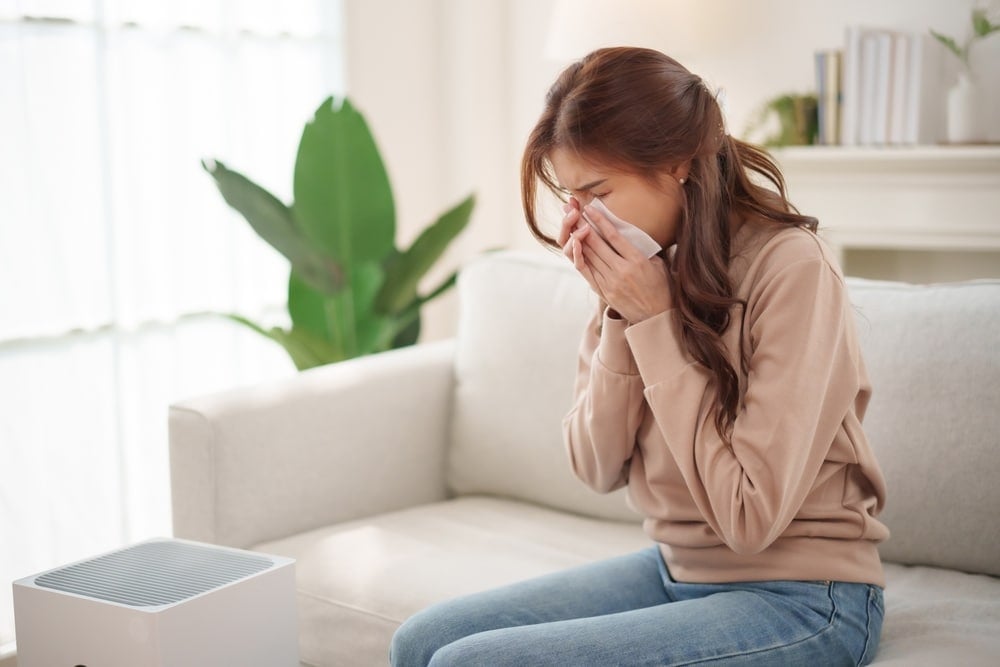
While nutrition and physical activity are cornerstones of a healthy lifestyle, the quality of the air we breathe indoors is a frequently overlooked variable. Hidden allergens can disrupt respiratory health, interfere with restorative sleep, and hinder overall vitality. By recognizing the link between indoor environments and well-being, individuals can take proactive steps to optimize their living spaces for better health.
The Physiological Impact of Airborne Irritants on Respiratory Health
The human immune system perceives certain microscopic airborne particles as biological threats. Larger particles, roughly 10 micrometers in size, typically settle in the upper respiratory tract, while finer particulates can penetrate deeper into the lung tissue. This exposure triggers the release of histamine and other chemicals, leading to symptoms like congestion, sneezing, and itchy eyes.
Over time, persistent exposure to these irritants can lead to chronic inflammation, which many people mistake for a lingering cold. As the body becomes more sensitive, conditions such as allergic rhinitis or asthma may develop. This environmental stress can also lead to a decline in sleep quality, reduced energy levels, and diminished athletic performance.
Identifying Frequent Indoor Pollutants and Their Sources
Every home contains various airborne triggers. Understanding where these pollutants originate is the first step in creating a cleaner indoor environment.
Managing Dust Mite Populations and Pet Dander
Dust mites are prevalent in household fabrics like bedding, carpets, and upholstery. They thrive in warm, humid conditions and feed on dead skin cells. Interestingly, the allergic reaction is caused by proteins found in their waste and remains rather than the mites themselves. Data suggests that approximately 80% of homes in the United States have detectable levels of dust mites in at least one sleeping area.
Additionally, pets with fur or feathers shed dander—tiny skin flakes—that can remain suspended in the air for significant periods. These particles are highly mobile and can even be found in homes where pets are no longer present, having been left behind by previous occupants.
Mitigating Mold Spores and Excess Moisture
Mold flourishes wherever moisture accumulates, such as bathrooms, kitchens, and basements. It reproduces by releasing spores that circulate through ventilation systems and air currents. This means a moisture problem in one specific area can compromise the air quality of the entire home as spores travel away from their source.
Reducing Infiltration of Outdoor Pollen
Outdoor allergens frequently enter the home through open windows or by hitching a ride on clothing and pets. Research indicates that between 10% and 30% of the global population suffers from allergies, making this a widespread concern. Once inside, pollen settles on floors and furniture, only to be kicked back into the air by daily movement. Furthermore, changing climate patterns are contributing to longer and more intense pollen seasons, increasing the duration of exposure.
Addressing Volatile Organic Compounds (VOCs) in Household Items
Many common household products—including cleaning agents, paints, and new furniture—release volatile organic compounds (VOCs). These chemicals evaporate at room temperature and can accumulate in enclosed environments. Regular exposure to the VOCs found in certain household cleaners has been linked to respiratory inflammation and other breathing difficulties.
Recognizing the Symptoms of Compromised Indoor Air Quality
When air quality declines, the body often provides clear physical signals. Persistent sneezing, coughing, or a runny nose that seems to worsen specifically when indoors are primary indicators. Many people also experience watery eyes or frequent throat irritation when breathing contaminated air.
Beyond immediate respiratory symptoms, poor air quality can manifest as unexplained fatigue or difficulty concentrating. This is often a secondary effect of poor sleep caused by nighttime congestion. For those focused on fitness, compromised air can also lead to slower recovery times and decreased stamina during workouts.
Effective Strategies for Enhancing Indoor Air Purity
Improving the air in your home requires a coordinated approach to filtration and maintenance. The following steps can significantly reduce allergen concentrations:
- Regulate Humidity: Keeping relative humidity levels below 50% is essential for inhibiting the growth of mold and reducing dust mite populations.
- High-Efficiency Filtration: Utilizing HEPA filters can capture 99.97% of fine airborne particles, providing a significant defense against allergens.
- Select Appropriate Purifiers: Look for dual-action air purifiers. Since standard filters often target either particles or gases, choosing equipment designed to handle both provides more comprehensive protection.
- Strategic Cleaning Habits: Use a vacuum with a HEPA filter and opt for damp cloths when dusting. This prevents allergens from being redistributed into the air during the cleaning process.
- Linen Maintenance: Washing bedding frequently in hot water is an effective way to eliminate dust mites and remove accumulated pollutants from sheets and blankets.
Leveraging Indoor Greenery for Natural Air Enrichment
With the average person spending approximately 90% of their time inside, the indoor environment plays a massive role in long-term health. Houseplants offer a natural, aesthetic way to support air quality. Plants can absorb various harmful compounds through their leaves and branches.
This is particularly valuable because indoor pollutant levels are often five to ten times higher than outdoor levels. In newly renovated spaces, these concentrations can skyrocket. While a single plant has a modest impact, incorporating several varieties throughout the home can help create a more breathable and pleasant atmosphere over time.
Final Thoughts on Creating a Wellness-Focused Living Environment
Optimizing the air within your home is a vital step toward comprehensive wellness. By reducing allergen exposure, you support better sleep, improved respiratory function, and faster physical recovery. These straightforward environmental adjustments transform a standard living space into a true sanctuary that supports your health and performance goals.