


















Vaginal health can feel like a mystery sometimes, especially when you’re trying to sort through home remedies, “natural” solutions, and questionable advice. Aloe vera often pops up as a go-to fix for just about everything skin-related, so it’s no surprise people start wondering if it works in the vagina, too.
At the same time, you might’ve come across other options, like boric acid suppositories, while researching ways to stay balanced and comfortable. So where does aloe fit into all of this?
Why Aloe Gets So Much Hype
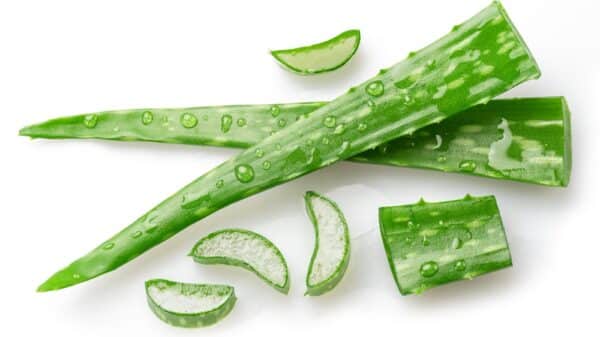
Aloe vera has a stellar reputation. It’s cooling, soothing, and packed with hydrating properties, which is why it’s basically the go-to of sunburn season. People also use it for minor cuts, irritation, and dry skin, so it’s easy to see why it’s labeled a gentle, natural fix.
And because it’s plant-based, it feels like a safe bet. Naturally, that leads to the next question: if aloe works wonders on your skin, can it do the same for more sensitive areas?
Is Aloe Safe For Vaginal Use?
Here’s the straightforward answer: it depends on how you’re using it. Externally, aloe can be okay for some people. Its soothing and moisturizing properties may help with minor irritation, dryness, or discomfort on the outer vulvar area.
Internally? That’s where things get tricky. The vagina has a very specific environment that keeps everything in balance, and introducing substances (even natural ones) can sometimes do more harm than good.
There’s also the possibility of sensitivity or allergic reactions, especially in such a delicate area. So while aloe isn’t inherently “bad,” it’s definitely not a one-size-fits-all solution.
What Aloe Can (And Can’t) Actually Help With
Aloe might be helpful if you’re dealing with mild external dryness, irritation from shaving or friction, or general surface-level discomfort.
But it’s not designed to treat underlying issues, such as infections, abnormal discharge, or ongoing irritation. In those cases, reaching for a DIY fix can delay proper treatment and potentially make things worse. Aloe can calm the surface, but it doesn’t address deeper causes.
PH Balance And Why It Matters
Your vagina is actually pretty self-sufficient. It maintains a slightly acidic pH and a balanced microbiome that keeps everything feeling normal and comfortable.
When that balance gets thrown off, you might notice unusual odor, irritation, or discharge. And while it’s tempting to reach for whatever sounds gentle and natural, not every solution supports that delicate ecosystem.
That’s why more targeted options, like boric acid suppositories, often come up in conversations about maintaining balance. They’re designed specifically with vaginal health in mind, unlike other general skincare ingredients.
How To Use Aloe Safely
If you’re still curious about trying aloe, the key is to keep it simple and strictly external. Start by choosing pure, fragrance-free aloe vera gel. A lot of store-bought options contain alcohol, dyes, or added scents, which can be irritating. If you’re using aloe straight from the plant, make sure it’s properly cleaned and prepared.
Before applying it more broadly, do a quick patch test on another area of skin to check for any reaction. Even natural ingredients can cause sensitivity for some people.
When you do use it, apply a small amount to the outer vulvar area only, and avoid overdoing it. This isn’t something you need to layer on or use frequently. And one more time for emphasis: skip internal use entirely. That’s where the risks outweigh any potential benefit.
Should You Use Aloe Vaginally?
So, should aloe be part of your vaginal care routine? In some limited cases, maybe. But it’s not a go-to solution. Aloe can be helpful for mild, external dryness or irritation, thanks to its soothing and hydrating properties. But beyond that, its role is pretty limited. It’s not designed to support internal balance or address more complex concerns.
If you’re dealing with something deeper, you’re better off looking into options that are formulated for vaginal health, rather than relying on a general skincare ingredient. The takeaway: Aloe isn’t harmful in every situation, but it’s also not the cure-all it’s sometimes made out to be.
Your Body, Your Rules
At the end of the day, being curious about your body and how to take care of it is a good thing. There’s nothing weird or wrong about asking these questions. But with so much information (and misinformation) out there, it helps to approach new remedies with a mix of curiosity and caution.
Listen to your body, pay attention to what actually works for you, and don’t be afraid to skip trends that don’t make sense for your situation. Because when it comes to vaginal health, the best approach is an informed one.