















While many people attribute vein issues to genetics, age, or lifestyle habits like prolonged standing, the impact of nutrition on vascular health is often underestimated. Emerging insights reveal that dietary patterns significantly influence the condition and efficiency of the circulatory system. Every food choice we make affects the structure, flexibility, and overall function of our blood vessels, playing a key role in fluid balance, tissue repair, and the management of inflammation.
While nutrition alone may not provide a complete cure for existing vascular conditions, it is a powerful tool for enhancing the performance of the veins. By combining mindful eating with healthy lifestyle habits and appropriate medical care, individuals can significantly improve their vascular health and overall quality of life.
The Mechanics of Venous Function
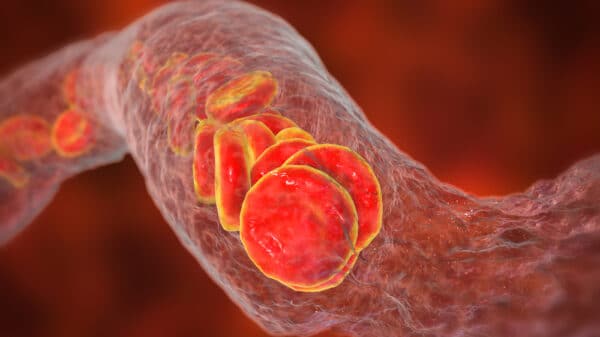
Understanding the role of nutrition begins with an appreciation of how the venous system operates. Unlike arteries, which carry oxygenated blood away from the heart, veins are responsible for returning blood to the heart to be replenished with oxygen. In the lower extremities, this process is particularly challenging because blood must travel upward against the force of gravity.
To facilitate this upward flow, veins are equipped with one-way valves that prevent blood from pooling or flowing backward. The movement is further assisted by the contraction of leg muscles. When these valves or the vein walls themselves become weak, blood can collect in the vessels, leading to the development of varicose veins and other circulatory complications. While age and family history contribute to these issues, proper nutrition supports the underlying tissues, helps manage blood pressure, and provides the metabolic foundation necessary for a resilient vascular system.
The Impact of Inflammation on Vascular Integrity
The medical community is increasingly focused on the role of chronic, low-grade inflammation in long-term health. While acute inflammation is a necessary part of the healing process, persistent inflammation can damage the delicate linings of the blood vessels. This damage can alter the structure of the veins and impede efficient blood flow, often worsening pre-existing circulation issues.
Modern diets, which are often high in refined sugars, heavily processed foods, and unhealthy fats, are major contributors to systemic inflammation. Conversely, a diet rich in whole, unprocessed foods—such as fruits, vegetables, seeds, and healthy fats—can help moderate this inflammatory response. By reducing systemic stress, these nutrient-dense choices support the long-term health of the vascular lining.
Vitamin C: A Building Block for Vein Strength
Vitamin C is essential for vascular health due to its role as a necessary precursor for collagen production. Collagen is the primary connective tissue in the body, providing the strength and elasticity required for vein walls to withstand pressure and maintain their shape. When Vitamin C levels are chronically low, the integrity of these connective tissues can be compromised, increasing the vulnerability of the blood vessels.
Consuming a variety of foods high in Vitamin C ensures the body has the resources it needs to maintain and repair vascular structures. Because the structural integrity of vein walls is so dependent on this nutrient, it remains a cornerstone of a vein-friendly diet.
The Indirect Benefits of Fiber for Circulatory Support
Fiber is most commonly associated with digestive health, but its benefits for the circulatory system are significant, albeit indirect. A high-fiber diet aids in weight management and cholesterol regulation, both of which reduce the overall strain on the heart and veins. Furthermore, fiber prevents constipation, a condition that can increase abdominal pressure and put additional stress on the veins in the legs.
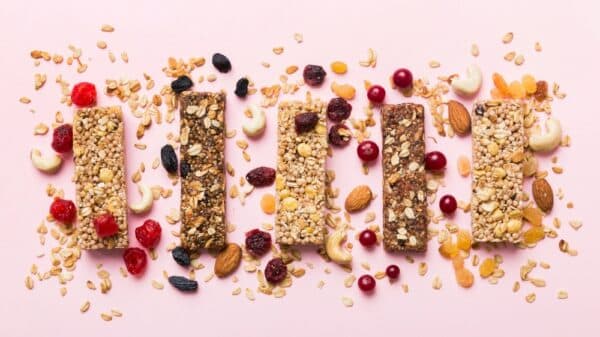
Incorporating fiber-rich foods like whole grains, legumes, nuts, and fresh produce into your daily meals is a simple way to support both your digestive and vascular systems.
Maintaining Blood Flow Through Proper Hydration
Hydration is a fundamental yet often overlooked aspect of circulatory health. Water is required to maintain a healthy blood volume and ensure that blood remains at an optimal consistency for easy flow. When the body is dehydrated, blood can become more concentrated, which may impair circulation and lead to a feeling of sluggishness.
While dehydration is not a direct cause of vein disease, maintaining consistent fluid intake supports the body’s natural ability to move blood efficiently. Staying well-hydrated is one of the most accessible habits for supporting a healthy vascular environment.
Weight Management as a Pillar of Vascular Health
Body weight has a direct physical impact on the circulatory system, particularly the veins in the lower legs. Excess weight increases the mechanical load on these vessels, forcing them to work harder to return blood to the heart. Over time, this cumulative strain can weaken the veins and exacerbate symptoms of venous insufficiency.
Nutrition is a key factor in achieving and maintaining a healthy weight. By prioritizing whole foods over calorie-dense processed options, individuals can reduce the physical pressure on their venous system, leading to improved circulation and a lower risk of developing vein-related symptoms.
Choosing Foods That Support Vascular Longevity
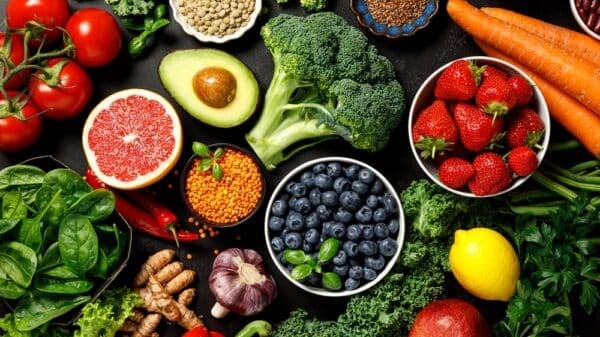
The most effective dietary strategy for vein health involves a focus on minimally processed, nutrient-dense foods. Fruits and vegetables are rich in antioxidants, which protect blood vessels from oxidative stress. Healthy fats, such as those found in olive oil, avocados, and fatty fish, support cardiovascular function and help maintain the flexibility of vessel walls.
Additionally, lean proteins provide the amino acids necessary for tissue repair, while whole grains offer the fiber needed for metabolic health. Rather than searching for a single “superfood,” the goal should be a balanced, varied diet that nourishes the body as a whole.
Recognizing When Professional Care Is Required
While healthy eating and lifestyle adjustments provide a strong foundation for vascular wellness, they may not be enough to treat established vein disease. Factors such as genetics, hormonal shifts, aging, and occupational demands can lead to issues that require medical intervention. Warning signs like persistent leg swelling, a feeling of heaviness, visible varicose veins, or changes in skin texture should be evaluated by a medical professional.
For those experiencing symptoms of venous dysfunction, a professional assessment by a vein specialist is recommended. Specialized care can provide an accurate diagnosis and personalized treatment options that go beyond what diet alone can achieve.
A Holistic Strategy for Optimized Venous Performance
True vascular health is the result of a multi-faceted approach. A nutritious diet provides the building blocks for strong vessels, while regular physical activity strengthens the muscles that help pump blood. When combined with proper hydration and professional medical guidance, these habits create a comprehensive strategy for maintaining a healthy circulatory system.
By integrating these various elements—diet, movement, and medical oversight—individuals can significantly enhance their well-being and protect their vascular health for years to come.
Conclusion: Nourishing Your Vascular System
There is a profound connection between the foods we eat and the health of our veins. By choosing nutrients that support structural integrity and minimize inflammation, we can protect our circulatory system from the inside out. While diet cannot eliminate every risk factor, it is one of the most manageable and effective ways to support vascular longevity. When paired with an active lifestyle and professional care when necessary, nutrition becomes a vital component of maintaining healthy, functional veins throughout your life.