














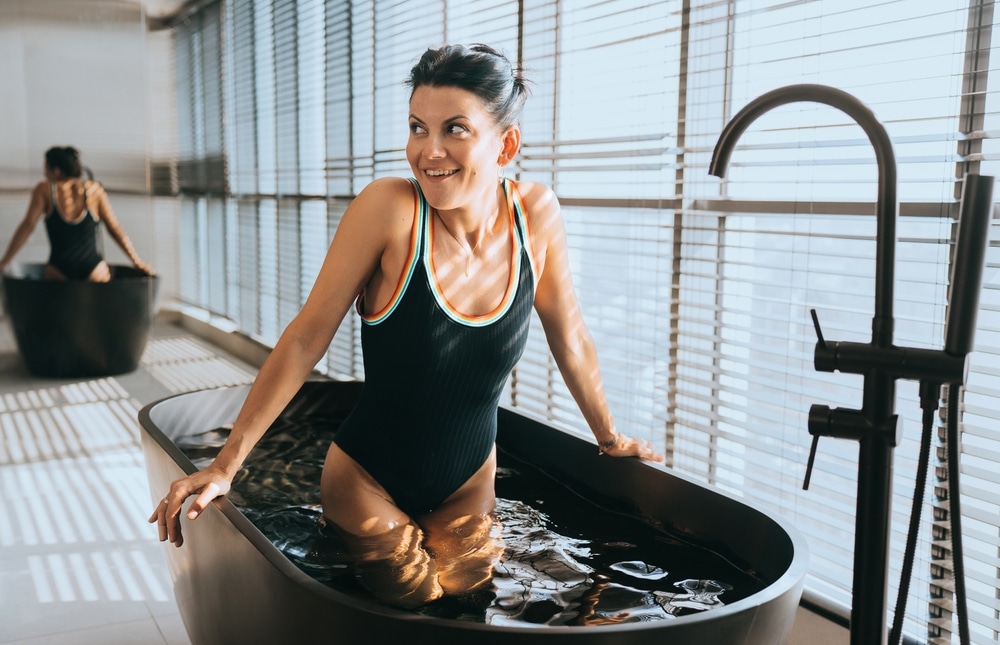
For many years, ice baths were viewed as a grueling ritual reserved for professional athletes and high-level endurance competitors. However, the culture surrounding recovery has evolved significantly. Today, cold water immersion—commonly known as “cold plunging”—has transitioned from an elite locker room practice into a staple daily routine for runners, weightlifters, and fitness enthusiasts of all levels.
A quick look at modern home gyms and backyards reveals a growing trend: dedicated cold therapy equipment is replacing traditional recovery tools. People are no longer just looking for a way to cool down; they are looking for a biological advantage. Understanding the value of this practice requires looking past the trends and examining the physiological changes that occur during a plunge, how to establish a sustainable home routine, and the specific ways cold exposure enhances physical recovery.
How the Body Responds to Cold Water Immersion
When you submerge your body in water below 60°F (15°C), you experience an immediate physiological reaction. The initial shock triggers a survival reflex, characterized by a rapid heart rate and shortened breath. While intense, this moment initiates the recovery process through several key biological mechanisms.
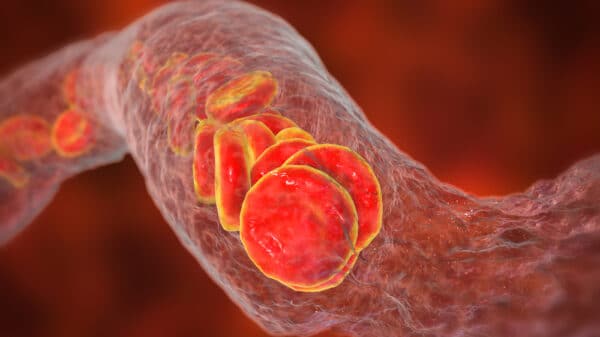
In an effort to maintain core temperature, the central nervous system triggers vasoconstriction. This process narrows the peripheral blood vessels, diverting blood away from the limbs and toward the internal organs. Once you exit the water, the body undergoes two significant restorative shifts:
- The Circulatory Flush: As the body begins to rewarm, blood vessels undergo vasodilation, expanding rapidly. This allows fresh, oxygen-rich blood to return to the muscles, helping to move metabolic byproducts and mitigate inflammation in the tissues.
- Neurochemical Activation: The cold stimulus prompts a significant spike in dopamine and norepinephrine. This chemical release can result in a prolonged state of heightened alertness, improved mood, and mental clarity that often lasts for several hours.
Streamlining Your Home Recovery Setup
While the science behind cold therapy is compelling, the primary challenge for most people is maintaining a consistent routine. Many beginners start by adding bags of ice to a standard bathtub, but this method often proves difficult to sustain. Managing dozens of pounds of ice daily is expensive, time-consuming, and makes it nearly impossible to maintain a consistent temperature.
For those committed to long-term recovery, a dedicated cold plunge system equipped with a chiller offers a more practical solution. These systems allow for precise temperature control, ensuring the water is ready at the exact moment a workout ends. High-quality setups often include integrated filtration and circulation systems, which keep the water sanitary and clear, removing the logistical hurdles that often lead to people abandoning their cold therapy habits.
Guidelines for Safe and Effective Cold Therapy
Maximizing the benefits of cold plunging is not about enduring the coldest temperature possible; it is about applying controlled stress to the body in a calculated manner. To achieve optimal results while prioritizing safety, consider the following parameters:
- Ideal Temperature: Keeping the water between 50°F and 59°F (10°C to 15°C) is generally sufficient. Extremely low temperatures do not necessarily provide better muscle recovery and may lead to shorter, less effective sessions.
- Time Under Tension: A duration of 2 to 5 minutes per session is the standard recommendation. Research suggests that a cumulative total of approximately 11 minutes of cold exposure per week, divided into several sessions, is the benchmark for meaningful physiological results.
- Weekly Routine: Engaging in cold therapy 3 to 4 times per week, particularly following intense training sessions, provides a balanced approach to recovery.
Key Advantages of Regular Cold Plunging
When practiced consistently, cold therapy offers cumulative physical and mental benefits. These advantages are applicable to anyone leadng an active lifestyle, not just competitive athletes:
- Alleviating Muscle Soreness: By dampening pain receptors and managing tissue swelling, cold immersion helps reduce Delayed Onset Muscle Soreness (DOMS). This can minimize the feeling of physical fatigue the day after a high-intensity workout.
- Enhancing Sleep Quality: Using a cold plunge in the afternoon or evening can assist the body’s natural circadian rhythm. The drop in core body temperature serves as a biological cue that it is time for the body to enter a restorative sleep state.
- Building Mental Resilience: Learning to maintain calm and controlled breathing while in freezing water is a form of stress management training. This developed “grit” often translates to better focus and composure during challenging workouts or high-pressure professional situations.
Answers to Common Cold Plunge Inquiries
Does cold immersion interfere with muscle growth?
If your primary focus is hypertrophy (increasing muscle size), it is advisable to wait at least four hours after heavy resistance training before cold plunging. Cold therapy can potentially reduce the acute inflammatory signals that are necessary for muscle fiber growth. However, plunging on recovery days or after cardiovascular workouts remains highly effective for general wellness.
Is it helpful to take a hot shower immediately after a plunge?
It is generally more beneficial to allow the body to rewarm naturally for about 15 to 20 minutes. This process, known as the thermogenic effect, requires the metabolic system to work to restore your temperature, which can enhance the overall blood-flow benefits of the session.
Summary of Best Practices
Cold therapy is a powerful addition to a comprehensive fitness regimen when used correctly. By understanding the biological processes of vasoconstriction and the subsequent flush of oxygenated blood, you can better appreciate how it aids in tissue repair. For the best experience, focus on consistency rather than extreme cold, and consider integrated equipment to make the practice a seamless part of your lifestyle. Whether your goal is to reduce soreness, sleep more deeply, or build mental strength, cold water immersion provides a science-backed method to help you recover and perform at your best.