



















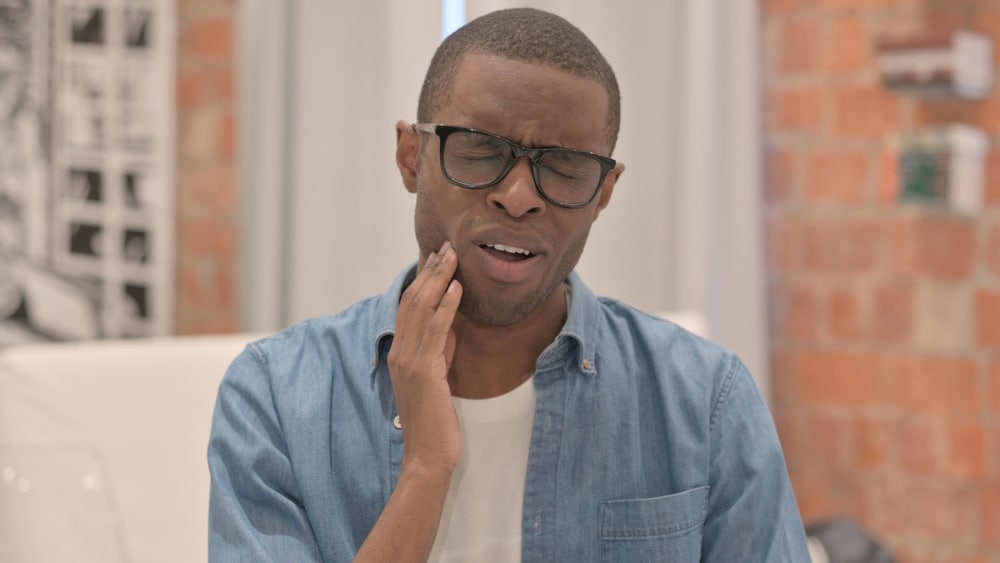
While many of us are quick to notice when stress manifests as a tight neck or knotted shoulders, we often ignore one of the most powerful muscle groups in the body: the jaw. Despite being a primary site for tension, the jaw is frequently the last place people look for the source of their discomfort, even though it carries significant physical strain.
Most individuals who habitually clench their teeth are unaware of the habit. Instead, they notice the secondary effects, such as waking up with persistent temple headaches, experiencing unexplained earaches, or feeling an unusual fatigue in the face by mid-morning. These symptoms are often directly linked to how a person sleeps and the physical load they carry throughout the day, though the connection often remains hidden until it is explicitly pointed out.
Evaluating Your Jaw Tension: A Thirty-Second Assessment
Take a moment to observe the current position of your mouth without making any immediate adjustments. In a natural, relaxed state, your teeth should not be touching. The ideal resting posture involves the lips being lightly closed, the teeth slightly separated, and the tongue resting gently against the roof of the mouth. In a typical day, the upper and lower teeth should only make contact for a few cumulative minutes during the processes of chewing or swallowing.
If you discovered that your teeth were pressed together just now, that is a significant indicator of subconscious tension. Try repeating this check later in the afternoon or during a particularly busy task. For many, the realization of how often they clench provides the necessary context for understanding their physical symptoms.
The Mechanics of Clenching and Grinding
The temporomandibular joint (TMJ) is located just in front of the ears and is one of the most active joints in the human body. It facilitates thousands of movements daily for talking, eating, and drinking. This complex system is powered by several key muscles, including the masseter at the jawline, the temporalis over the temples, and the pterygoids deeper within the structure.
There is a distinction between clenching and grinding (also known as bruxism). Clenching involves sustained, static pressure where the teeth are held tightly together. Grinding involves movement and friction under that same pressure. Both behaviors frequently occur during sleep, forcing the jaw muscles to work for hours without the recovery time they receive during normal daytime function.
The resulting discomfort is primarily muscular. Overextended muscles become tender to the touch and often refer pain to other areas of the head and neck, which is why the symptoms are frequently misattributed to other issues.
Symptoms Often Mistaken for Other Conditions
Because jaw tension manifests in various ways, its symptoms are often blamed on unrelated health concerns:
- Morning Headaches: Pain centered in the temples or behind the eyes that is most intense upon waking is a hallmark sign of overnight muscle strain.
- Referred Ear Pain: Since the jaw joint sits directly adjacent to the ear canal, inflammation or tension in the joint is frequently misinterpreted as an ear infection, even when the ear itself is healthy.
- Persistent Neck and Shoulder Tension: The jaw and the upper cervical spine are posturally linked. If the jaw is tight, the muscles in the neck and shoulders may stay contracted as a compensatory response.
- Facial Exhaustion: A sensation of heaviness or fatigue in the face following a meal or a long conversation.
- Joint Noise: Clicking, popping, or a sensation of the jaw “catching” during movement.
- Dental Sensitivity: Teeth may become sensitive to temperature, or the biting surfaces may appear flattened or worn down over time.
- Disrupted Sleep: Clenching can both cause and be exacerbated by poor sleep quality, as tension often increases during lighter sleep cycles.
Factors That Trigger Jaw Flare-Ups
Psychological stress is a primary driver of jaw tension, with symptoms often peaking during high-pressure weeks. However, lifestyle choices also play a significant role. Caffeine and alcohol consumption, particularly late in the evening, can fragment sleep architecture, leading to increased clenching even if they help you fall asleep initially.
Postural habits are equally influential. The “forward head” posture often adopted while using laptops or smartphones alters the resting position of the jaw and increases the load on supporting muscles. If your desk setup consistently leaves your neck feeling strained by the end of the week, your jaw is likely bearing part of that burden.
Repetitive habits can further irritate the joint. Activities such as constant gum chewing, leaning your chin on your hand, or cradling a phone between your ear and shoulder can keep a sensitive joint in a state of chronic irritation.
Practical Strategies for At-Home Relief
The first step in management is developing awareness. Regularly checking your jaw position throughout the day helps retrain the muscles to remain in a relaxed, neutral state. In addition to awareness, several practical steps can help:
- Evening Heat Therapy: Applying a warm compress to the jaw and temples for 10 to 15 minutes before bed can help soothe overworked muscles and serve as a signal for the body to wind down.
- Dietary Adjustments: During a symptomatic flare-up, it is helpful to temporarily choose softer foods. Avoiding particularly chewy or hard items like ice, tough meats, or gum gives the joint time to settle.
- Optimizing Sleep Hygiene: Reducing screen time and managing stimulant intake can improve sleep depth, which in turn reduces the likelihood of nocturnal bruxism.
- Ergonomic Improvements: Ensure your workspace supports a neutral posture. Keeping your screen at eye level and your head aligned over your shoulders reduces the strain on the jaw-neck complex.
- Gentle Range of Motion: Practice slow, controlled opening and closing of the mouth. Avoid forcing the jaw into uncomfortable positions or applying excessive pressure to sore spots, as this can increase inflammation.
Critical Precautions to Keep in Mind
While home care is effective for many, it is important to avoid certain pitfalls. One common mistake is purchasing a generic “boil and bite” night guard without professional guidance. An ill-fitting appliance can shift your bite or actually encourage more clenching, potentially worsening the condition. Protective splints should be custom-fitted by a professional who understands your specific bite mechanics.
Furthermore, it is vital not to assume all jaw pain is stress-related. Discomfort can also stem from dental infections, cracked teeth, issues with wisdom teeth, or localized arthritis. Ignoring persistent pain by labeling it “just tension” can lead to significant dental wear or joint degradation that is much harder to treat later.
When to Consult a Professional
Self-management is appropriate for mild, occasional tension that fluctuates with your stress levels. However, clinical intervention is necessary if the jaw begins to lock in an open or closed position, or if it catches significantly during movement. Constant pain that interferes with eating or sleep is another clear signal that professional help is needed.
Visible changes to the teeth, such as chipping, flattening, or increased sensitivity, require an immediate dental evaluation. A dentist can analyze wear patterns, assess the health of the joint, and rule out underlying dental causes that might be mimicking muscular tension. They can also determine if a custom-fitted orthotic or other clinical treatments are necessary to protect your long-term oral health.
Takeaway: Proactive Management of Jaw Health
Clenching is a unique stress response because it can cause lasting structural damage to the teeth and joints while you are completely unaware of it. By the time symptoms like chronic headaches or worn enamel appear, the habit is often deeply ingrained. However, by prioritizing awareness, improving ergonomics, and protecting your sleep quality, you can significantly reduce the load on your jaw. Addressing these issues early—before the joint begins to lock or the teeth sustain visible damage—makes the condition far easier to resolve and ensures long-term comfort.