

















Aging is an inevitable biological process, but the societal approach toward growing older has undergone a significant transformation. In 2026, the concept of healthy aging has shifted toward a holistic lifestyle model that prioritizes physical vigor, emotional stability, and mental clarity. Modern medical and scientific breakthroughs have not only extended life expectancy but have also enhanced the quality of those additional years. This evolution has fostered a more resilient society, one that views aging not as a decline, but as a phase of life defined by confidence and vitality.
This progressive outlook has helped dismantle traditional stigmas associated with getting older. Instead of fearing the passage of time, individuals are increasingly focused on optimizing the aging process through evidence-based practices. By combining proactive wellness strategies—such as balanced nutrition, consistent physical activity, and preventive medical care—with modern aesthetic medicine, people are achieving natural-looking results that reflect their internal health. This integrated approach allows for a more graceful transition through the various stages of life.
Redefining Longevity through Healthspan and Vitality
While extending the number of years lived remains a goal, the contemporary focus has pivoted toward “healthspan”—the portion of life spent in good health. Modern healthy aging is defined by the preservation of functional mobility, cognitive sharpness, and cardiovascular strength. It emphasizes the ability to remain self-sufficient and socially engaged well into one’s later years.
The medical paradigm has shifted from reactive treatment to proactive maintenance. Rather than waiting for health complications to arise, individuals are encouraged to implement lifestyle adjustments early on. In today’s wellness landscape, maintaining emotional resilience and preventing chronic disease are viewed as essential components of staying professionally and socially active throughout the lifespan.
Foundational Nutrition for Cellular Longevity
Quality nutrition serves as the cornerstone of a healthy aging strategy. The body’s ability to repair tissues and maintain vital systemic functions is directly influenced by dietary intake. A nutrient-dense, balanced diet supports everything from skin elasticity to immune system efficiency and heart health.
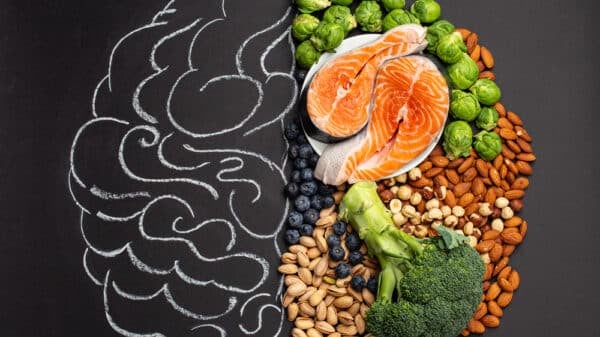
Diets rich in diverse, colorful produce provide essential antioxidants that help mitigate oxidative stress, a primary driver of the aging process. Incorporating fatty fish like salmon provides high-quality protein and Omega-3 fatty acids, which are crucial for maintaining brain function and cardiovascular health. Furthermore, as metabolism naturally shifts over time, staying properly hydrated and ensuring adequate protein intake is vital for preserving muscle mass and physical strength.
Sustaining Physical Function through Consistent Movement
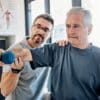
Regular physical activity is one of the most effective tools for managing the aging process. Exercise regimens that focus on resistance training and weight-bearing activities are essential for protecting bone density and muscular strength. Simultaneously, activities that improve flexibility and balance are key to maintaining long-term mobility and preventing falls.
Beyond physical benefits, movement significantly impacts mental and emotional well-being by elevating mood and promoting deeper sleep. Whether it is low-impact walking, swimming, cycling, or yoga, the key is consistency. Engaging in regular, moderate-intensity exercise often yields better long-term health outcomes than infrequent bursts of high-intensity activity, making it a sustainable approach for all fitness levels.
Prioritizing Restorative Sleep for Systemic Repair
Sleep is a powerful yet often overlooked pillar of health. During rest, the body undergoes critical repair processes, including hormone regulation, memory consolidation, and the production of collagen, which supports skin structure. Chronic sleep deprivation does more than cause fatigue; it can lead to systemic inflammation and a weakened immune response, effectively accelerating both mental and physical aging.
Developing disciplined sleep hygiene—such as maintaining a consistent schedule, reducing blue light exposure before bed, and optimizing the sleep environment—is essential for long-term wellness. Those who prioritize high-quality rest often experience improved cognitive focus, higher energy levels, and a more vibrant physical appearance.
Mitigating Stress to Protect Long-Term Wellness
In a fast-paced modern world, chronic stress is a significant threat to healthy aging. Prolonged stress can negatively impact heart health, digestion, and immune function while contributing to premature skin aging and hormonal imbalances. To age well, it is necessary to adopt intentional stress-management techniques.
Practices such as mindfulness, meditation, and deep-breathing exercises can help regulate the body’s stress response. Additionally, spending time in nature and fostering strong social connections provide emotional support that buffers the effects of daily pressures. Prioritizing mental health is just as critical as physical maintenance, as a positive psychological state often leads to better lifestyle choices and overall life satisfaction.
Proactive Healthcare and Early Diagnostic Screenings
Preventive medicine is a vital component of aging with grace. Routine medical screenings allow for the early detection of potential health issues, which often simplifies treatment and improves recovery outcomes. Regular monitoring of cholesterol levels, blood pressure, and dental health, along with routine eye exams and cancer screenings, forms a comprehensive safety net for long-term health.
A proactive approach also includes staying current with vaccinations and seeking personalized nutritional and weight management advice. Modern healthcare encourages a partnership between patients and providers, where individuals take an active role in their wellness journey based on their unique family history and lifestyle factors, rather than only seeking care when illness strikes.
Integrating Aesthetic Care with Holistic Lifestyle Habits
The field of aesthetic wellness has evolved to focus on subtle, natural enhancements rather than drastic alterations. Today’s treatments are often minimally invasive, designed to complement a person’s natural features with shorter recovery periods. These procedures are most effective when viewed as a supplement to, rather than a replacement for, healthy living.
Aesthetic treatments work best in tandem with sun protection, quality sleep, and proper nutrition. By maximizing healthy habits first, individuals can use aesthetic interventions to address specific concerns that lifestyle alone cannot fully resolve. Setting realistic expectations and prioritizing foundational health ensures the most satisfying and enduring results.
Tailored Wellness Strategies for Individual Needs
Wellness in 2026 is characterized by a shift toward personalization. Because every individual ages differently based on genetics, environment, and personal choices, a “one-size-fits-all” approach is no longer effective. Health strategies are now being tailored to meet specific needs, whether that involves specialized hormone balancing, targeted skincare, or custom fitness programming.
This move toward individualized care empowers people to make informed decisions based on scientific research and personal data rather than following passing trends. By focusing on what their specific body requires, individuals can achieve more precise and effective health outcomes.
Leveraging Technological Advancements in Preventive Medicine
Innovation is playing an increasingly large role in how we navigate the aging process. Wearable technology now allows for the continuous tracking of heart rate, sleep quality, and physical activity, while mobile apps provide reminders and progress tracking for healthy habits. Artificial Intelligence is also becoming a standard tool for clinicians, helping to identify health trends and assist in earlier, more accurate diagnoses.
From digital health consultations to advanced skin imaging, technology has made healthcare more accessible and personalized. However, while these tools are invaluable for monitoring and data collection, they are intended to support—not replace—the fundamental daily habits that drive true health.
Cultivating Emotional Resilience through Community and Purpose
Healthy aging extends beyond the physical body; it involves the nurturing of the spirit and mind. Research consistently shows that maintaining strong social bonds and a sense of purpose is linked to better health outcomes in older age. Engaging in community activities, pursuing hobbies, and volunteering can significantly boost emotional well-being.
Socially active individuals tend to experience lower stress levels and a more optimistic outlook on life. True longevity is achieved when physical health is supported by a robust network of relationships and a meaningful daily life, ensuring that the later years are as fulfilling as they are healthy.
The Power of Incremental Habits in Long-Term Aging
A common misconception is that significant health improvements require radical lifestyle overhauls. In reality, the most successful aging strategies are built on small, consistent choices made over many years. The cumulative effect of staying hydrated, protecting skin from UV damage, eating balanced meals, and attending regular checkups creates a foundation for lasting vitality.
These sustainable practices do more than just improve physical appearance; they build the emotional and physical resilience needed to enjoy a high quality of life. Moving away from “quick fixes” toward long-term wellness habits allows for a more authentic and manageable approach to getting older.
Summary
Healthy aging in 2026 represents a comprehensive integration of physical, mental, and aesthetic wellness. By embracing a proactive healthcare model and prioritizing consistent, evidence-based lifestyle habits, individuals can navigate the aging process with confidence. Modern wellness is not about stopping time, but about optimizing every stage of life through personalized care, technological innovation, and strong social connections. Ultimately, the goal is to live not just longer, but better, with the vitality to enjoy everything life has to offer.