

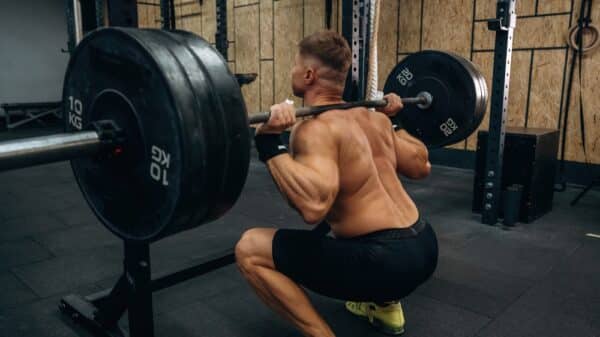













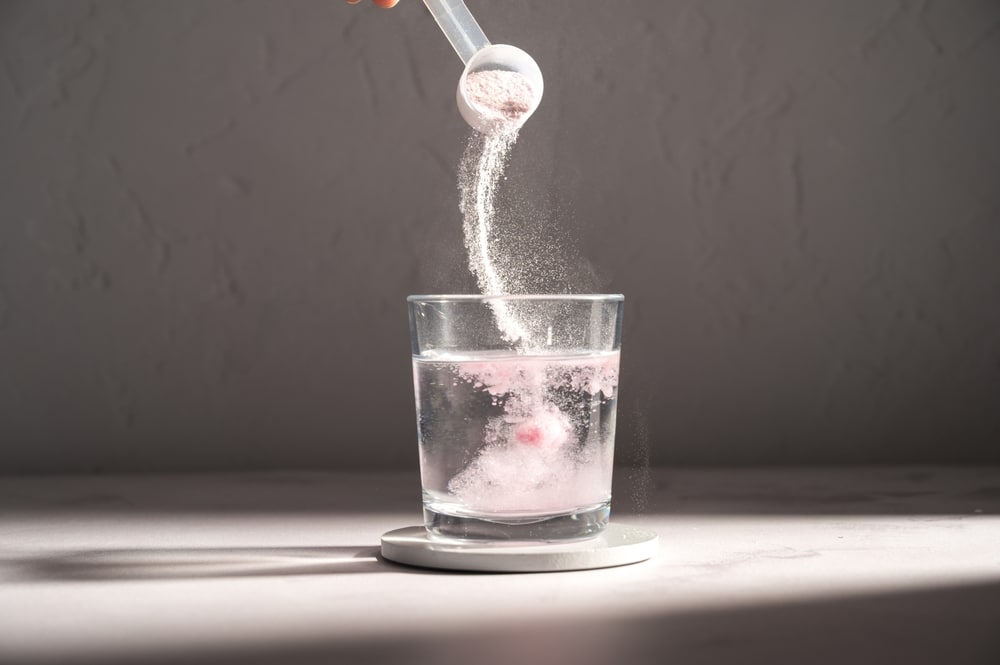
When standing before rows of supplement tubs, most athletes find themselves comparing two heavyweights: creatine and protein powder. While they are often grouped together, they perform entirely different functions within the body. Creatine is designed to fuel your performance, providing the energy needed for high-intensity efforts. Protein powder is focused on repair, supplying the building blocks required to rebuild muscle tissue after a workout. Because their roles are complementary rather than redundant, many fitness enthusiasts find that using both yields the best results.
This guide examines the specific functions of each supplement, how to determine which one aligns with your current fitness objectives, and the most effective ways to incorporate them into your routine.
Comparing Creatine and Protein: A Quick Reference Guide
To understand how these supplements differ, it helps to look at them side-by-side. While they work toward the same ultimate goal of a better physique and improved performance, their mechanisms are distinct.
| Supplement | Primary Function | Ideal For | Typical Timeline | Standard Daily Dose |
|---|---|---|---|---|
| Creatine (Monohydrate) | Replenishes ATP for explosive, short-duration energy. | Increasing strength, power, and high-intensity work capacity. | 2 to 4 weeks for muscle saturation. | 5 grams daily. |
| Protein Powder (Concentrated Food Source) | Provides amino acids for muscle tissue repair and growth. | Muscle recovery, hypertrophy, and meeting daily nutrient targets. | Ongoing; works with consistent daily intake. | 0.7 to 1.0g per pound of body weight. |
Rather than choosing one over the other, it is helpful to view them as a team: one handles the energy requirements of the workout, while the other manages the biological recovery that follows.
The Science of Creatine: Powering High-Intensity Training
Creatine is a compound found naturally in your muscle cells. It acts as a rapid-response energy system. During intense physical activity—such as a heavy set of deadlifts or a 40-yard dash—your muscles rely on a molecule called ATP for energy. However, ATP stores are depleted in seconds. Creatine helps your body regenerate this energy quickly, allowing you to perform an extra rep or maintain peak speed for a few seconds longer.
The benefits of creatine are among the most heavily researched in sports nutrition. According to the International Society of Sports Nutrition, creatine monohydrate is one of the most effective and safe supplements for increasing lean body mass and high-intensity exercise capacity. Beyond performance, it also helps with cell hydration, which can make muscles appear fuller. While there are many expensive versions of creatine on the market, such as HCL or buffered varieties, monohydrate remains the gold standard for both efficacy and value.
The Role of Protein Powder in Muscle Repair and Growth
Protein powder is a convenient, concentrated source of dietary protein. It is typically derived from milk (whey or casein) or plant sources like peas and rice. Its primary purpose is to provide the essential amino acids your body cannot produce on its own, which are vital for repairing the micro-tears in muscle fibers caused by resistance training.
Active individuals require significantly more protein than sedentary people—roughly 0.7 to 1.0 grams per pound of body weight. For many, consuming this much protein through whole foods like chicken, eggs, or lentils can be challenging and time-consuming. Protein powder serves as a “nutritional insurance policy,” making it easier to hit those daily targets. Different types of protein offer different benefits: whey isolate is fast-absorbing and low in lactose, while casein provides a slow release of aminos that is often preferred before sleep.
Four Fundamental Differences Between Creatine and Protein
To determine which supplement you need most, it is helpful to contrast them across four key areas:
- Composition: Creatine is a single molecule used for energy metabolism. Protein is a macronutrient made of complex chains of amino acids used for structural repair.
- Biological Target: Creatine influences the phosphocreatine system (energy production). Protein powder influences muscle protein synthesis (tissue building).
- Training Impact: Creatine improves the quality of your training sessions. Protein improves the quality of your recovery between sessions.
- Noticeable Effects: Creatine requires a saturation period of several weeks before you feel the increase in strength. Protein does not produce a “feeling” but contributes to long-term muscle maintenance and growth.
Choosing the Right Supplement Based on Your Fitness Goals
The “best” supplement depends entirely on what you are trying to achieve in the gym.
Strategies for Maximizing Muscle Hypertrophy
If your goal is to grow larger muscles, protein is your highest priority. Muscle growth is impossible without a sufficient supply of amino acids. Once your protein intake is optimized, adding creatine is the next logical step. By allowing you to lift heavier weights for more repetitions, creatine increases “mechanical tension”—the most significant driver of muscle growth.
Optimizing Explosive Strength and Power Output
For those focused purely on strength, creatine is the clear winner. It directly fuels the energy systems used during your heaviest lifts. By taking 5 grams daily, you provide your muscles with the resources to push past previous plateaus. While protein is still necessary for overall recovery, creatine is the more direct lever for increasing your one-rep max or explosive power.
Supporting Longevity and Muscle Retention After 40
As we age, the body becomes less efficient at processing protein and maintaining muscle mass, a condition known as sarcopenia. For those over 40, a higher daily protein intake (spread across several meals) is essential. Pairing this with creatine and resistance training is one of the most effective ways to preserve strength and bone density into later life.
Improving Post-Workout Recovery Times
Protein is the primary tool for direct tissue repair. However, recovery is a multi-faceted process. While total daily protein intake is the most important factor, staying hydrated and managing electrolytes also plays a major role. If you find yourself constantly sore, ensuring you hit your protein goals is the first step toward faster bounce-back times.
Is Stacking Creatine and Protein Powder Necessary?
For most dedicated trainees, combining both supplements offers a synergistic effect. Protein provides the raw materials for growth, while creatine provides the energy needed to stimulate that growth through hard training. There is no biological conflict between the two; they can be taken at the same time without interfering with absorption. Furthermore, creatine is highly affordable, making it a low-cost addition to a standard protein regimen.
Advanced Recovery Options: Amino Acids and Adaptogens
For those with high training volumes, protein and creatine might not be enough. Some athletes supplement with essential amino acids (EAAs) or branched-chain amino acids (BCAAs) for a lighter, faster-absorbing nutrient boost during or after training. Additionally, adaptogens like ashwagandha or minerals like magnesium can help manage the physical stress of exercise and support better sleep. For example, TRX Nutrition Aminos + Adaptogens combines these elements to support the nervous system alongside muscle repair.
Optimal Dosing and Timing Strategies
Consistency is more important than precision when it comes to supplement timing.
How to Dose Creatine for Maximum Effectiveness
A simple daily dose of 5 grams of creatine monohydrate is sufficient. While some people choose to “load” with 20 grams a day for the first week to see results faster, this often leads to digestive upset. Simply taking 5 grams every day will saturate your muscles within a month. Timing does not matter; just take it whenever you are most likely to remember.
Meeting Your Daily Protein Requirements
Aim for 0.7 to 1.0 grams of protein per pound of body weight. It is best to distribute this across three to five meals rather than consuming it all at once. Protein powder should be used to fill the gaps between your whole-food meals, typically providing 20 to 40 grams per serving.
The Truth About Nutrient Timing
The “anabolic window”—the idea that you must consume protein within minutes of a workout—has been largely debunked. As long as you consume adequate protein within a few hours of training, your body will have what it needs. Similarly, creatine is effective regardless of when it is consumed, though many people mix it into their post-workout shake for convenience.
Supporting Joint Health and Immunity for Mature Athletes
For older athletes, muscle isn’t the only concern; joint health and immune function also become priorities. Some lifters add collagen peptides to support tendons and ligaments, or colostrum to support gut health and immunity. These can be easily stacked with a standard protein and creatine routine to provide a more comprehensive approach to longevity.
Addressing Safety and Side Effects: What the Science Says
Despite their popularity, common myths persist regarding these supplements.
Understanding Creatine-Related Water Retention
Creatine does cause water retention, but it is “intracellular,” meaning the water is held inside the muscle cell rather than under the skin. This can lead to a slight increase in scale weight, but it is not fat gain. To minimize potential stomach bloating, consider formulas that include prebiotic fiber or skip the high-dose loading phase.
Protein Intake and Kidney Health Standards
In healthy individuals, a high-protein diet does not damage the kidneys. This has been confirmed by various medical reviews, including those from the Cleveland Clinic. However, those with pre-existing kidney conditions should always consult a physician before significantly increasing their protein intake.
The Impact of Supplements on Weight Management
Neither protein nor creatine are fat-loss miracles. However, protein can help you feel fuller for longer and protect muscle mass while you are in a calorie deficit. Creatine may cause the scale to go up slightly due to water retention, but it does not contribute to body fat. Real body composition changes are driven by your overall diet and training consistency.
Prioritizing Whole Foods Over Supplements
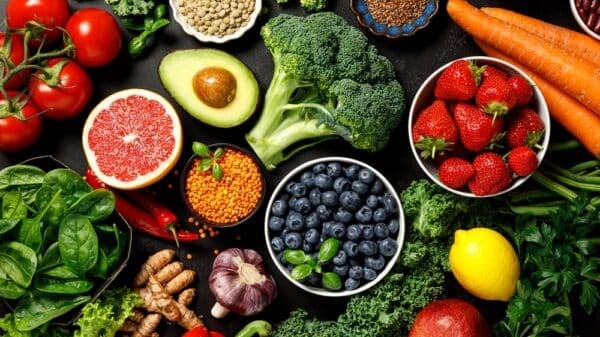
Supplements are intended to augment a solid diet, not replace it. Most people can get a significant amount of protein from meat, dairy, and plants, and even get a small amount of creatine from red meat and fish. Supplements are most beneficial for those with high training volumes, those on plant-based diets who may lack certain amino acids, or busy individuals who need a quick nutritional option on the go.
Modern Solutions for Better Supplement Tolerance
Innovation in the industry has led to products designed to solve common complaints like bloating or poor mixability. For instance, TRX Nutrition Creatine + Fiber adds prebiotics to help with digestion, while Electrolyte + Clear Whey offers a light, juice-like protein alternative for those who find traditional milky shakes too heavy for their stomach.
Common Inquiries Regarding Performance Supplements
Which supplement should I prioritize for my training?
There is no single answer. Prioritize protein if you aren’t eating enough to support muscle repair. Prioritize creatine if you want to maximize your strength and power output. Using both is often the most effective strategy.
Is protein powder mandatory if I use creatine?
No. If you consume enough protein from whole foods, you do not need the powder. However, creatine does not replace protein; it serves a completely different role in energy production.
Can these two supplements be consumed together?
Yes. Mixing creatine into a protein shake is a common and effective practice. They do not compete for absorption and work well as a combined “stack.”
When is the best time to take these supplements?
Consistency is king. Take creatine daily at any time. Take protein whenever it is most convenient to help you reach your daily total goal. Total daily intake is far more impactful than exact timing.
Summary: Selecting the Best Tool for Your Transformation
To simplify your decision, match the supplement to your primary objective: for muscle growth, focus on protein; for strength and explosive power, focus on creatine. For the aging athlete or the serious lifter, a combination of both provides the most comprehensive support for performance and longevity. By grounding your supplement choices in consistent training and a “food-first” mindset, you can maximize your results without unnecessary complexity.