


















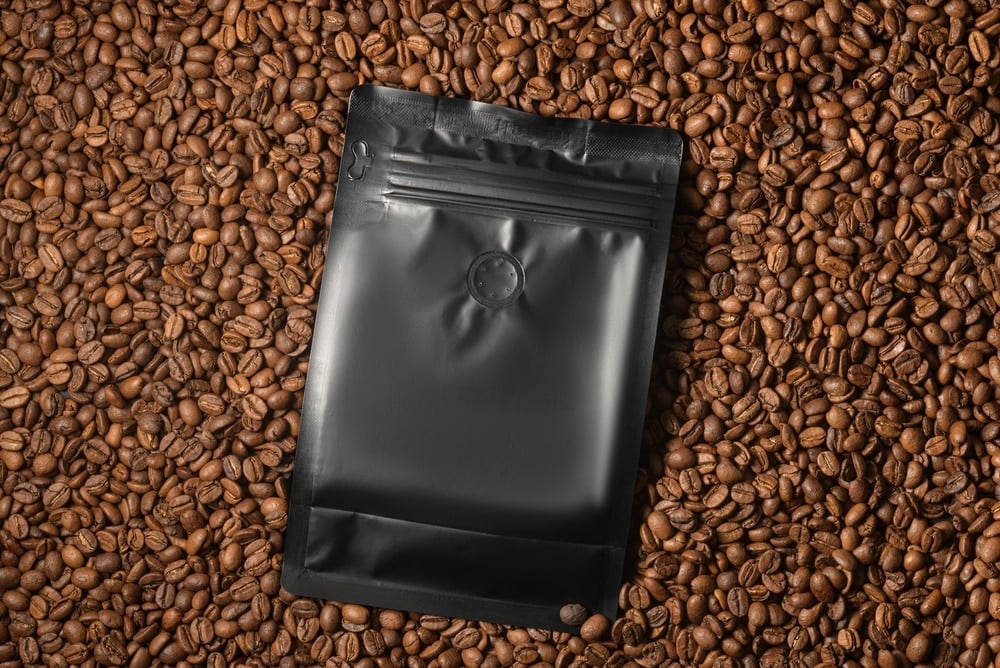
Finding an effective energy boost during a busy workday or before a rigorous gym session is a common challenge. While traditional coffee and energy drinks are the standard go-to options, they are not always practical. Beverages can spill, require refrigeration, or lead to an uncomfortable feeling of fullness when consumed right before intense physical activity. Caffeine pouches have emerged as a modern alternative, providing a concentrated dose of caffeine in a portable, liquid-free format designed to fit seamlessly into an active lifestyle.
Maximizing Convenience for Active Lifestyles
One of the primary appeals of caffeine pouches is their extreme portability. They can be easily stored in a gym bag, pocket, or desk drawer without the need for a kettle, fridge, or bulky containers. This makes them a viable option for individuals with demanding schedules, such as students, frequent travelers, or professionals working irregular shifts.
For those who already incorporate caffeine into their daily routine, pouches offer a level of discretion and ease that traditional drinks cannot match. Because they do not require consumption of a full beverage, users may find it simpler to manage their intake throughout the day, ensuring they get the boost they need exactly when they need it.
A Low-Volume, Sugar-Free Energy Source
Many commercially available energy drinks are loaded with sugar or artificial sweeteners, which may not align with everyone’s nutritional goals. Caffeine pouches offer a way to bypass these additives while avoiding the necessity of consuming large amounts of fluid. This is particularly beneficial for athletes who want to avoid the “heavy” stomach or gastrointestinal discomfort often associated with drinking a large coffee or energy drink immediately before training.
However, it is important to remember that being sugar-free does not automatically equate to being a “health food.” These products are still delivery systems for a powerful stimulant. Users should remain mindful of the caffeine content in each pouch and how it contributes to their total daily consumption.
Strategic Caffeine Timing for Peak Performance
Pouches allow for more intentionality regarding when caffeine enters the system. Whether it is used to sharpen focus during a high-stakes work project or to increase motivation before hitting the weights, the format allows for precise timing. Using caffeine strategically before a workout can enhance alertness and perceived energy levels, helping you get “in the zone” more effectively.
While timing can improve performance, it also requires caution. Consuming stimulants too late in the afternoon or evening can disrupt natural sleep cycles. This often leads to a reliance on caffeine the following day to combat fatigue, creating a cycle of poor rest and over-stimulation that can hinder long-term health and productivity.
Understanding the Role of Caffeine in Physical Recovery
Caffeine is a useful tool for overcoming temporary sluggishness, but it is never a replacement for the biological foundations of energy: adequate sleep, proper nutrition, hydration, and rest. If you find that you are unable to perform a workout or get through your day without a stimulant, it may be a sign of underlying issues such as chronic stress, a significant caloric deficit, or overtraining.
Relying on caffeine to mask genuine exhaustion can lead to burnout. While a pouch can provide the temporary lift needed to start a run or finish a shift, it should be viewed as a supplement to a healthy lifestyle rather than a substitute for recovery.
Safety Considerations and Recommended Dosages
Before incorporating caffeine pouches into your routine, it is essential to check the dosage per pouch. You should also verify that the product is nicotine-free and review the manufacturer’s suggested use. It is easy to lose track of total caffeine intake when it comes from multiple sources, such as coffee, tea, sodas, and pre-workout supplements.
For the average healthy adult, caffeine consumption should generally not exceed 400 mg per day. This limit is typically lower for those who are pregnant or nursing. Additionally, caffeine pouches may not be suitable for individuals with certain health conditions, including heart disease, high blood pressure (hypertension), cardiac arrhythmias, or anxiety disorders. Those suffering from chronic sleep deprivation or those on specific medications should consult a professional before use.
Integrating Caffeine Pouches Into a Balanced Routine
Caffeine pouches serve as a practical, compact tool for active adults who require a boost without the added volume or sugar of traditional beverages. Their value lies in their portability and the control they offer over timing. To get the most benefit, they should be used with intention—integrated into a lifestyle that prioritizes genuine rest and proper nutrition rather than being used to bypass the body’s need for recovery. By staying mindful of total daily intake and individual health needs, users can utilize this modern format to support their daily performance safely and effectively.