




















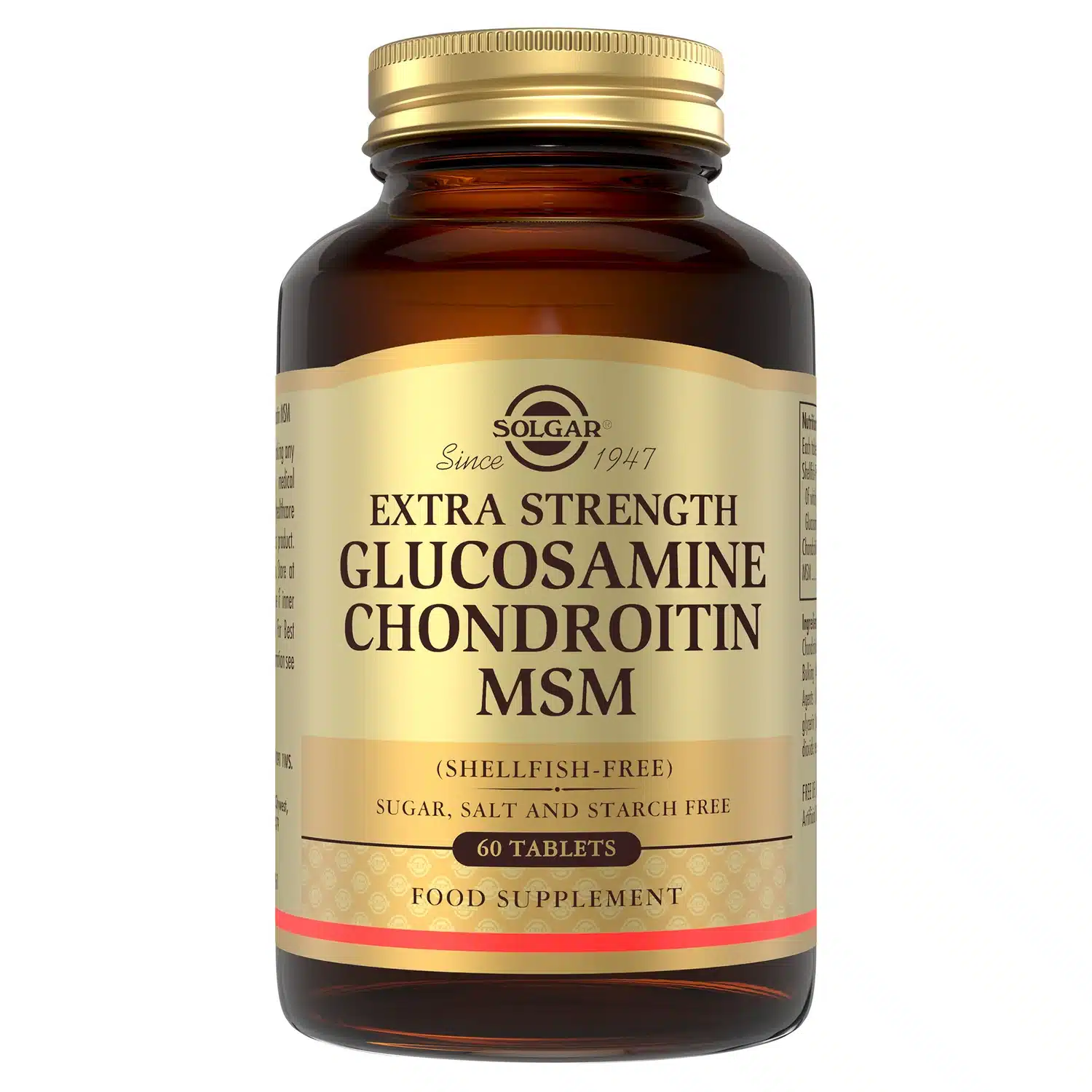
Many individuals maintain a strict daily regimen of glucosamine for years, hoping to find relief from persistent joint discomfort. Despite this dedication, many still find themselves limited by physical pain, carefully calculating every step or movement based on how their joints feel. This common experience isn’t necessarily a failure of the individual’s commitment, but rather an indication of a gap in clinical evidence. When evaluating natural joint support, it is essential to look past marketing claims and examine the specific scientific data associated with different supplements.
If you are searching for a joint health solution grounded in rigorous research, understanding the distinction between traditional options and modern alternatives is vital. By examining the peer-reviewed data on glucosamine and rosehip, you can make an informed decision based on facts rather than trends.
Examining the Clinical Reality of Glucosamine Efficacy
Glucosamine has long been marketed as a primary tool for rebuilding cartilage and restoring mobility. However, large-scale scientific investigations have painted a more complex picture. The most significant study on the subject, the NIH-funded Glucosamine/chondroitin Arthritis Intervention Trial (GAIT) published in 2006, provided definitive insights into its effectiveness:
- Across the broad study population, glucosamine did not perform significantly better than a placebo.
- A measurable, modest benefit was only observed in a small subset of participants experiencing moderate-to-severe pain.
- For those with mild-to-moderate arthritis—the most frequent demographic seeking relief—the results did not reach statistical significance.
For those who have taken glucosamine for an extended period without experiencing a change in mobility, these findings suggest that such a result is consistent with the established medical data.
Understanding the Standard of “Clinically Proven” Claims
The term “clinically proven” is frequently used in the supplement industry, yet its value depends entirely on the quality of the underlying research. To meet a high scientific standard, a product should be backed by specific types of evidence, including:
- Double-blind, placebo-controlled trials: These are the “gold standard” where neither the participants nor the researchers know who is receiving the treatment, which effectively eliminates observer bias.
- Peer-reviewed publications: Research must be scrutinized and verified by independent experts in reputable medical journals.
- Reproducibility: Consistent results should be observed across multiple independent studies.
- Identified active compounds: The research should focus on a specific, tested compound within the plant rather than just the raw material.
While these criteria are standard in the pharmaceutical world, many natural supplements currently on the market fail to meet these rigorous benchmarks.
The Scientific Data Supporting Rosehip and GOPO®
Rosehip has an extensive clinical history supported by decades of investigation. The primary differentiator in high-quality rosehip supplements is GOPO®, a patented galactolipid created through a specialized low-heat drying process. This specific compound is not found in standard rosehip products. The evidence supporting its use is substantial:
- More than 30 scientific studies have been conducted on rosehip and the GOPO® compound.
- Nine double-blind, placebo-controlled trials have been performed, following the same rigorous standards required for pharmaceutical drugs.
- Research consistently indicates a reduction in joint pain, enhanced mobility, and a decreased need for conventional non-steroidal anti-inflammatory drugs (NSAIDs).
- Findings have been published in prestigious medical journals, such as Osteoarthritis and Cartilage.
The biological mechanism of GOPO® is distinct: it works by preventing the accumulation of white blood cells around the joints. This addresses inflammation at its biological source rather than simply masking the sensation of pain.
A Side-by-Side Comparison: Glucosamine vs. Rosehip
While glucosamine is a common choice, the clinical record for rosehip is notably more consistent. When comparing the two based on key metrics, the differences become clear:
- Method of Action: Glucosamine focuses on the synthesis of cartilage, whereas rosehip (specifically GOPO®) directly targets the inflammatory response.
- Evidence Quality: Glucosamine’s primary major trial yielded mixed results; rosehip is supported by nine placebo-controlled trials with consistent positive outcomes.
- Allergen Profile: Glucosamine is often derived from shellfish, posing a risk to those with allergies. Rosehip is entirely plant-based and generally well-tolerated.
- Speed of Results: Glucosamine typically requires three to six months of consistent use for potential results. Conversely, rosehip studies have shown measurable improvements within three to four weeks.
- Nutritional Value: While glucosamine is an isolated compound, rosehip provides a natural source of vitamin C, antioxidants, and essential fatty acids.
Summary: Making an Evidence-Based Choice for Joint Health
If you have found glucosamine to be ineffective, it is important to realize that your experience aligns with much of the current clinical research. Choosing a supplement should be based on the quality of evidence rather than historical popularity. With over 30 studies and nine high-level placebo-controlled trials, rosehip—specifically with the GOPO® compound—offers a scientifically validated alternative for those seeking to manage inflammation and improve joint mobility naturally. Transitioning to a supplement with a proven clinical track record can be the first step toward reclaiming physical comfort and more consistent movement.