















Cold water immersion has transitioned from a niche recovery tactic for elite athletes into a foundational wellness practice for women seeking improved health. Beyond the viral social media clips, the shift toward cold plunging is driven by a desire for better physical recovery, emotional resilience, and a natural energy boost. As medical interest in the field grows, more women are adopting this practice as a grounded, evidence-based tool to navigate the demands of modern life.
Practical Strategies for Implementing Cold Therapy at Home
For most women, the longevity of a wellness habit depends heavily on its accessibility. The rise of compact, specialized cold plunge tubs has made it possible to integrate this practice into a daily routine without the need for extensive renovations or large outdoor spaces. These space-efficient units are designed to fit into home gyms, patios, or even smaller bathrooms, removing the friction often associated with high-effort recovery methods.
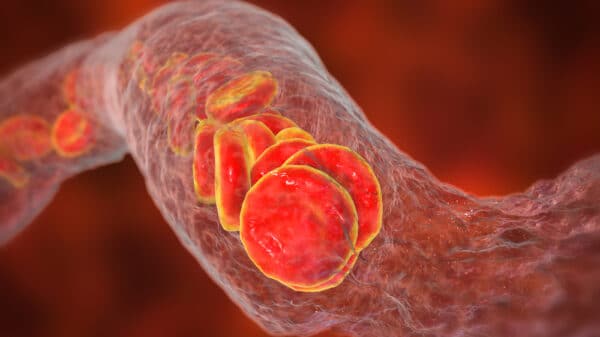
The biological process begins the moment the body meets the cold. This exposure triggers an immediate narrowing of the blood vessels—known as vasoconstriction—and alerts the nervous system. Once you exit the water, the body begins to warm up, stimulating blood flow and enhancing circulation. This “rebound” effect is a primary focus for researchers looking at how cold exposure supports long-term vascular health and mental clarity.
Consistency is often more valuable than extreme temperatures. Many women find that short sessions—typically between two and five minutes—provide significant benefits without requiring a massive time commitment. Starting with cool, manageable temperatures allows the body to adapt gradually, building the confidence needed to make cold therapy a permanent fixture in a health regimen.
Enhanced Recovery for Active Lifestyles
While cold water immersion is frequently associated with athletic performance, its benefits extend to any woman with an active lifestyle. Whether the goal is recovering from a long run, a strength training session, or a demanding hike, cold exposure can help mitigate delayed onset muscle soreness. By temporarily slowing inflammatory markers and reducing nerve conduction velocity, the cold provides a numbing effect that eases post-exercise discomfort.
The restoration isn’t limited to the physical body. Cold plunging offers a unique form of mental reset. The intense sensory experience demands total focus on breathing, which naturally encourages a state of mindfulness. For many, this provides a much-needed break from the cognitive load of work and family responsibilities, leaving them feeling centered and revitalized rather than drained by stress.
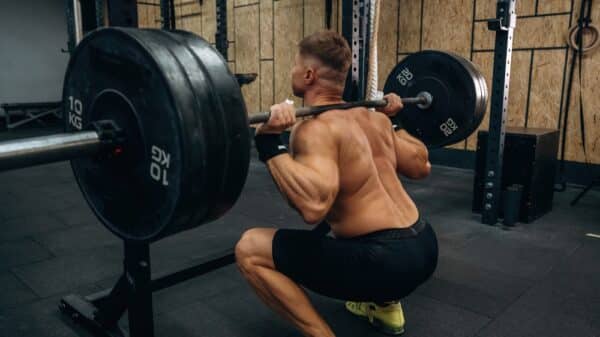
However, timing is a critical factor for those focused on muscle growth. Because inflammation is a necessary part of the muscle-building process, or hypertrophy, some experts suggest waiting several hours after heavy lifting before plunging. Utilizing cold therapy on active recovery days or after high-intensity endurance training often yields the best balance between recovery and performance gains.
Exploring the Evidence Behind Cold Immersion
Scientific interest in ice baths is centered on their ability to regulate the body’s stress response. Studies indicate that cold exposure can stimulate the release of neurotransmitters that enhance mood and cognitive function. Furthermore, ongoing research is examining how regular immersion might influence metabolic health and the immune system’s ability to handle environmental stressors.
For women navigating various life stages—including career peaks and hormonal shifts—cold therapy offers a way to regain a sense of control over their energy levels. While it is not a direct treatment for specific medical conditions, the improved sleep quality and reduced fatigue reported by many women suggest it can be a powerful supportive habit during transitions that typically impact vitality.
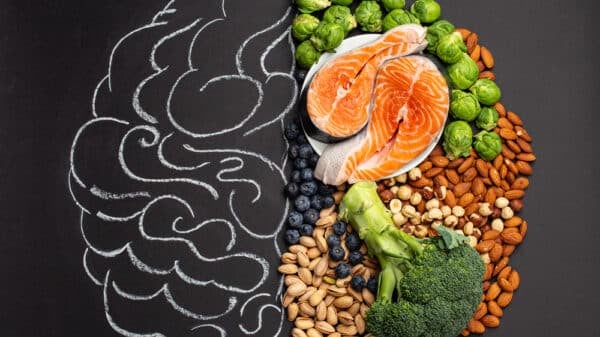
It is important to view cold plunging as a single piece of a larger health puzzle. It serves to amplify the benefits of other core pillars like nutrient-dense nutrition, consistent sleep hygiene, and professional stress management. When used as a complement to these foundational habits, cold water therapy becomes an effective catalyst for overall well-being.
Maintaining Safety and Longevity in Cold Practice
The psychological hurdle of the first plunge is often the most significant challenge. Mastering the art of controlled, deep breathing is the most effective way to manage the initial cold shock response. By staying calm and focusing on steady exhales, women can train their nervous systems to remain composed under stress—a skill that translates directly to managing daily life pressures.
Safety is the most vital component of any cold therapy routine. It is essential to consult with a healthcare professional before starting, particularly for those with a history of cardiovascular issues. A gradual approach—starting with shorter durations and slightly higher temperatures—ensures that the body builds resilience safely without overtaxing the heart or nervous system.
Sustainable success in cold plunging comes from habit formation rather than intensity. It is far more beneficial to maintain a regular schedule of moderate sessions than to attempt infrequent, dangerously cold immersions. By prioritizing safety and consistency, women can harness the power of the cold to build a more resilient mind and body.
Summary of Benefits for Women
Cold water immersion is evolving from a fitness trend into a sophisticated tool for women’s holistic health. By supporting faster muscle recovery, fostering mental clarity, and building physiological resilience, it offers a practical way to manage the physical and mental demands of a busy life. When integrated mindfully and safely, cold plunging serves as an evidence-based ritual that helps women maintain their energy, focus, and long-term health even in the face of everyday challenges.