




















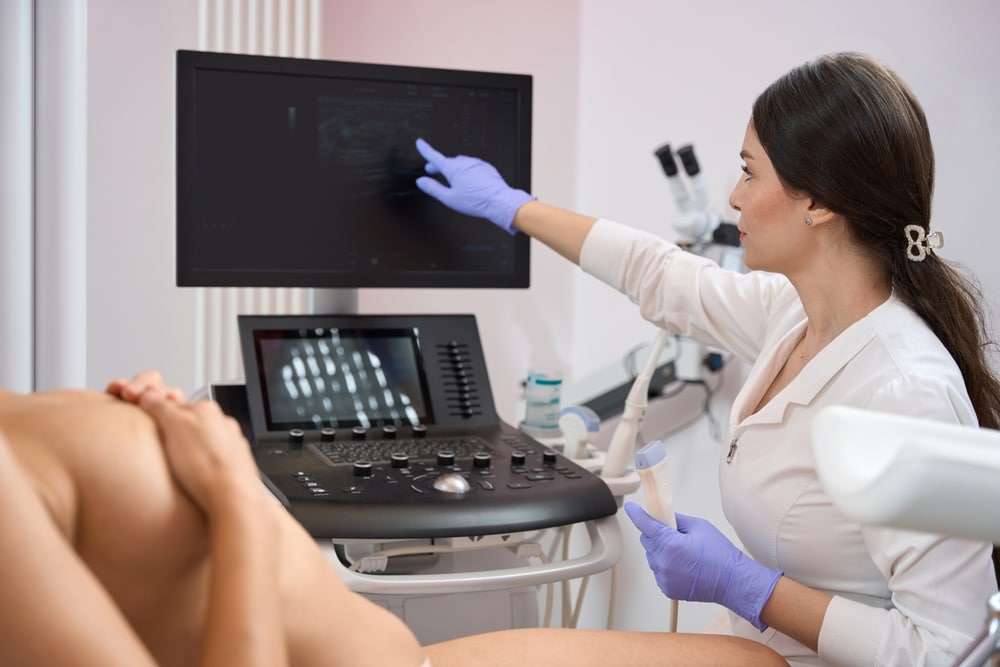
Receiving a normal mammogram result should ideally bring peace of mind, yet for many women, the knowledge of having dense breast tissue creates a lingering sense of uncertainty. While an “all-clear” notification is positive, it may not provide the complete diagnostic picture necessary for those with higher breast density. For these individuals, incorporating a dense breast ultrasound into an annual wellness routine can bridge the gap between a standard screening and true clinical confidence.
The Challenges of Screening Dense Breast Tissue
On a traditional mammogram, both dense breast tissue and potential tumors appear as white areas. This visual similarity creates a “masking effect” that has challenged radiologists for years. It is important to note that nearly 50% of the female population has dense breasts—a trait determined by a radiologist during imaging rather than by physical touch during a self-exam. Because dense tissue is associated with a higher risk of breast cancer, supplemental tools like 3D ultrasound systems are vital. These technologies allow for better visibility through fibrous and glandular tissue, moving beyond the physical limitations of X-ray physics to identify concerns that might otherwise remain hidden. Understanding your specific density category, labeled A through D, allows you to have a more informed conversation with your healthcare provider.
How Ultrasound Technology Enhances Detection
Unlike mammography, which utilizes X-ray technology, ultrasound relies on high-frequency sound waves to navigate breast tissue. This fundamental difference in physics allows the equipment to distinguish between harmless, fluid-filled cysts and solid masses that require further investigation with much higher clarity. Clinical data indicates that adding an ultrasound to a screening regimen can detect an average of three to four additional cancers per 1,000 women that mammography alone might overlook. Furthermore, ultrasound is a real-time, radiation-free procedure, offering a safe and adjustable method for technicians to examine specific areas of concern from multiple angles without cumulative radiation exposure.
Identifying Candidates for Supplemental Breast Screening
While not every patient requires supplemental imaging, certain factors make ultrasound a highly recommended addition to a health plan:
- Women who have been officially notified of dense breast tissue in their mammography reports.
- Those with a family or personal history of breast cancer, regardless of genetic mutation status.
- Younger women in their 30s who are looking to establish a proactive baseline for their health.
- Patients with a history of breast surgeries or biopsies, as scar tissue can further complicate the interpretation of a mammogram.
Beyond these clinical markers, ultrasound serves as a critical tool for reducing diagnostic anxiety and providing clarity for those who frequently receive “callback” letters due to ambiguous results. Providing a definitive answer can significantly reduce the psychological stress associated with modern breast cancer screenings.
Integrating Ultrasound into Your Preventive Care Strategy
Supplemental screening is most effective when used in conjunction with mammography, not as a replacement. To streamline the process, many patients choose to schedule both exams during the same appointment window. It is a common misconception that a specialist is required to authorize these tests; your primary care physician or OB-GYN can order a dense breast ultrasound. By knowing your specific density category, you can advocate for yourself more effectively during consultations. Many modern imaging centers now offer integrated 3D mammography and ultrasound packages specifically designed for women with dense tissue.
Navigating Insurance and Coverage for Breast Ultrasounds
The financial aspect of supplemental screening can vary depending on local legislation and specific insurance plans. While some programs, including Medicare and certain state-mandated insurers, provide coverage for these exams, others may classify them as diagnostic rather than preventive, which affects reimbursement rates. It is advisable to contact your insurance provider directly to confirm how they categorize supplemental ultrasounds for patients with dense tissue. Additionally, many imaging centers offer competitive self-pay rates for patients whose insurance may not fully cover the procedure, making these detection tools more accessible than many realize.
Empowering Your Health Through Informed Imaging
Transitioning from uncertainty to empowerment starts with a more comprehensive approach to breast imaging. For the woman who feels her standard mammogram hasn’t told the whole story, a dense breast ultrasound offers the secondary layer of detail needed for a more accurate assessment. Proactive healthcare is about utilizing the best technology available to build a complete picture of your wellness. By understanding your density category and discussing supplemental screening options with your doctor, you take a significant step toward early detection and long-term peace of mind.