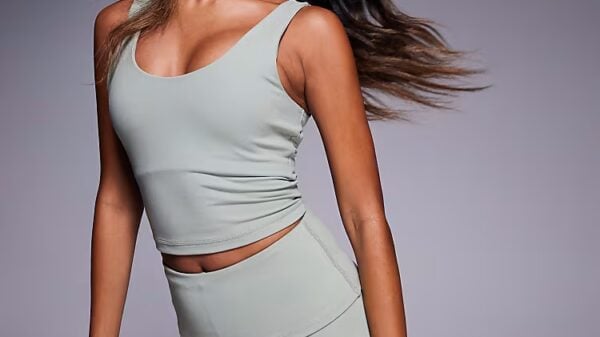

















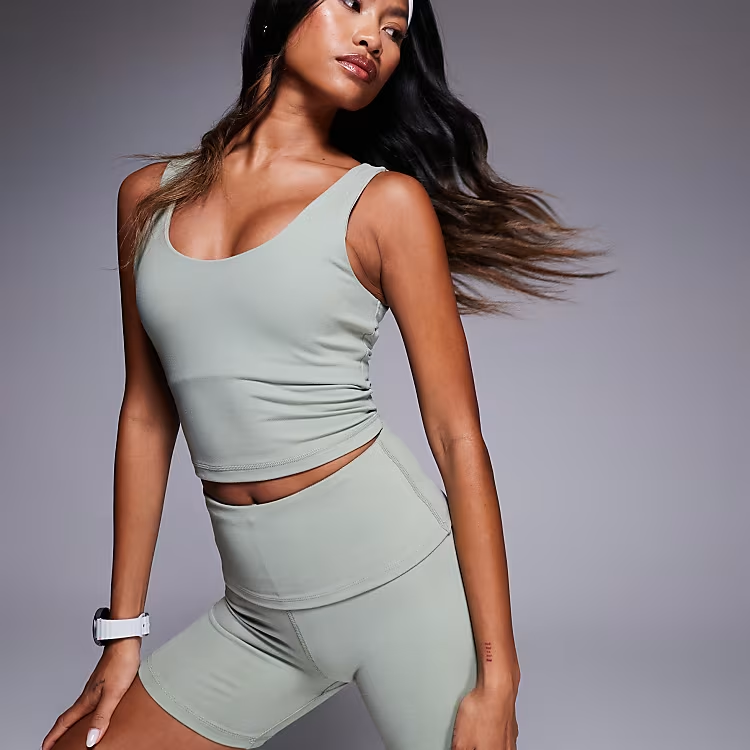
There is a noticeable transformation happening in fitness circles and yoga studios alike. Health-conscious parents are increasingly moving away from traditional, cumbersome tactical vests filled with sand or metal bars. In their place, a new preference has emerged for streamlined, silent silicone weighted vests. These modern tools allow for added resistance during a vinyasa flow or a brisk walk with a stroller, effectively supporting bone density and increasing caloric expenditure without the awkwardness of old-school gym gear.
The Benefits of Choosing Silicone Weighted Vests for Wellness Routines
The transition toward silicone weighted equipment reflects a broader trend among active women who prioritize mindfulness and functionality. For a long time, women had to settle for bulky gear designed for different body types and high-impact military training. By removing the constant sound of shifting weights, the physical discomfort of poorly fitted straps, and the hygiene issues associated with sweat-absorbing fabrics, the silicone vest turns resistance training into a natural extension of a daily wellness routine.
Switching to a silicone model is ultimately about efficiency. Whether you are moving through a quiet morning yoga sequence, heading out for a power walk, or wearing the vest discreetly under a jacket during errands, this gear respects the practical needs of a busy schedule. It demonstrates that effective fitness tools can be high-performing without being intrusive, allowing you to remain present and focused on your physical health.
1. Noise-Free Operation for Greater Focus
Standard weighted vests often utilize iron sand or steel plates that shift during movement. Whether you are performing a sun salutation or walking at a quick pace, these materials can create a distracting rhythmic sound. This noise can disrupt the mental clarity needed for yoga or potentially wake a sleeping child. Silicone vests are engineered with solid, molded weight distribution, ensuring they remain completely silent regardless of the intensity of the movement.
2. Ergonomic Contouring and Enhanced Stability
Many traditional fitness vests feature a boxy silhouette that does not account for the female form. This often results in the vest sliding forward during poses like Downward-Facing Dog, causing the equipment to hit the chin or put unnecessary pressure on the neck. High-quality silicone vests feature flexible, ergonomic designs—often with cross-back straps—that grip the torso securely. This ensures the weight stays in place through every twist, bend, and inversion.
3. Superior Hygiene and Antimicrobial Properties
Activewear and equipment are prone to absorbing sweat and bacteria. Fabric-based vests, such as those made of neoprene or nylon, can act like a sponge, leading to persistent odors that are difficult to eliminate. Silicone is a non-porous material that naturally resists moisture and bacterial growth. Maintaining the gear is simple; after a vigorous session, the vest can be wiped down with a cloth or rinsed briefly under water, staying fresh and ready for the next use.
4. Discreet Profile for Seamless Transitions
For those who balance fitness with a packed daily schedule, the ability to transition from a workout to daily tasks is vital. Heavy tactical vests can look out of place in casual settings. Because silicone vests are exceptionally slim, they lay flat against the body. This low-profile design makes it easy to wear the vest under a standard hoodie or jacket, allowing you to maintain your resistance training while running errands or handling school drop-offs without the look of traditional body armor.
5. Skin-Friendly Material Prevents Chafing
Repetitive movements can cause rough seams and nylon straps to rub against the skin, leading to irritation and friction burns. This is especially common when wearing tank tops or sports bras. Medical-grade silicone offers a smooth, soft-touch surface that is gentle on sensitive skin. Its flexible nature allows the vest to move with the body, eliminating the abrasive contact often found with traditional fitness equipment.
A Comprehensive Guide to Selecting the Perfect Weighted Vest
Finding the right weighted vest involves balancing comfort with long-term functionality. Because the body moves differently during a yoga flow than it does during a high-intensity workout, it is important to choose gear that complements your specific activity levels rather than hindering them.
1. Align the Vest with Your Activity Level
The intended use of the vest should dictate its design and material:
- Yoga and Pilates: Look for ultra-slim profiles and materials like silicone that hug the body tightly to prevent the vest from shifting during inversions.
- Walking and Hiking: Prioritize comfort for long-duration wear and look for features like small pockets for essentials like keys or a phone.
- HIIT and Home Fitness: Seek out secure fastening systems, such as dual-buckles or cross-back straps, to minimize bouncing during high-impact movements like jumping or burpees.
2. Following the 10% Bodyweight Guideline
For general cardio, yoga, and bone health, a common recommendation is to keep the vest weight between 5% and 10% of your total body weight. This provides enough resistance to be effective without overstraining the joints.
| Body Weight | Recommended Range | Ideal Starting Weight |
|---|---|---|
| 120 – 140 lbs | 6 – 14 lbs | 6 – 8 lbs |
| 141 – 160 lbs | 7 – 16 lbs | 8 – 10 lbs |
| 161 – 180 lbs+ | 8 – 18 lbs | 10 lbs |
3. Key Features for an Ergonomic Fit
Standard vests are often designed for a male frame, which can lead to discomfort for women. Look for these design elements to ensure a proper fit:
- Cross-Back or X-Shape Straps: These are designed to curve away from the chest, providing a secure fit that avoids uncomfortable pressure.
- Adjustable Side Straps: These allow you to customize the tightness based on your specific waist-to-hip ratio.
- Cropped Length: A vest that ends above the naval prevents the equipment from hitting the thighs during squats or deep bends.
4. Material Durability and Cleanliness
Maintenance is a critical factor for any piece of workout equipment. Your choice of material will determine how easy it is to keep the vest sanitized:
- Silicone: This material is highly recommended because it is non-absorbent. It can be cleaned in seconds by wiping it down, and it does not retain smells.
- Neoprene and Nylon: While soft and comfortable, these fabrics require more frequent washing. Ensure the vest is machine-safe and that weight inserts are removable to prevent rusting or damage.
5. Comparing Fixed and Adjustable Weights
- Fixed Weight Vests: These feature weights that are permanently integrated into the vest. They offer the sleekest profile and are the most discreet choice for wearing under clothing.
- Adjustable Weight Vests: These allow you to add or remove weight packets. While they offer more flexibility as you progress in strength, they tend to be bulkier and less suitable for yoga or stealthy wear.
Final Takeaway for Active Lifestyles
Integrating a weighted vest into your routine is an excellent way to boost bone health and physical strength. For the modern active woman, the move toward silicone technology represents a shift toward more thoughtful, practical fitness. By prioritizing a vest that is silent, easy to clean, and ergonomically designed for the female body, you can focus entirely on your movement and presence rather than the limitations of your equipment.