




















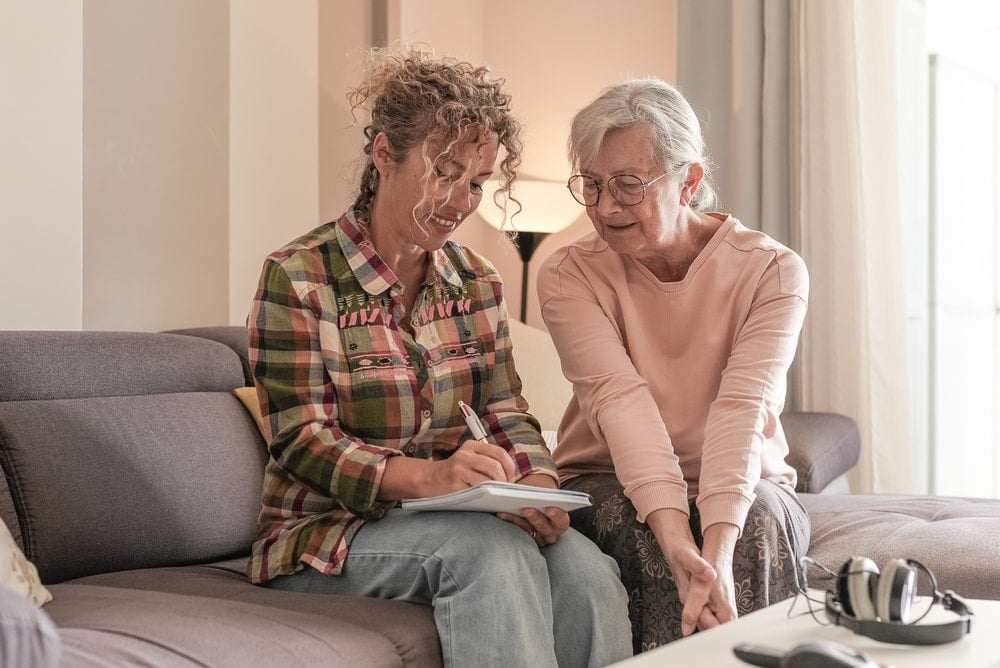
Supporting aging parents as they transition into their later years is a significant responsibility that requires both compassion and careful planning. As roles reverse and parents become more dependent on their adult children, it is essential to evaluate how these changes affect your lifestyle and the well-being of your loved ones. Deciding whether a relative should move into your home or remain independent is a major milestone that involves balancing their safety with their desire for autonomy.
Choosing the Most Supportive Living Environment
Determining the ideal residence for an elderly family member involves weighing several practical options. Many seniors prefer “aging in place,” staying in their own homes to maintain a sense of familiarity and independence. However, if a relative is experiencing cognitive challenges or the early stages of dementia, moving them into your household may provide the supervision and safety they require. Alternatively, residential care facilities offer a community-focused environment where seniors can socialize with peers while receiving professional oversight, which can significantly reduce feelings of isolation.
Prioritizing Physical Comfort and Environmental Safety
As mobility and health change, everyday tasks can become increasingly difficult for seniors to manage alone. It is vital to ensure that your relatives are maintaining proper hygiene, eating nutritious meals, and staying warm. Older adults are often more sensitive to temperature changes, making a reliable heating system essential for their health. If the cost of utilities is a concern, there are often various assistance programs designed to help seniors manage energy bills, ensuring they stay comfortable without financial strain. Simple additions, such as a high-quality electric heater, can also provide localized warmth and peace of mind.
The Vital Role of Consistent Social Engagement
While balancing a busy personal and professional schedule is challenging, prioritizing regular visits is one of the most impactful ways to support an elderly relative. Loneliness can take a heavy toll on mental health, whereas consistent human interaction is known to help maintain cognitive function and emotional stability. Aiming for a schedule that includes several visits during the week and dedicated time on the weekends provides a sense of routine and something for them to look forward to. Reliability is key; following through on your scheduled visits prevents feelings of disappointment and reinforces their sense of being valued by the family.
Determining the Need for Professional Care Interventions
There may come a point where a relative’s needs exceed what a family can provide at home. Recognizing when it is time for specialist care—whether through professional home health aides or a dedicated care facility—is a critical part of being a responsible caregiver. Making this transition is often emotionally taxing, and many family members experience a sense of guilt, feeling as though they are “giving up.” However, professional care is often the most compassionate choice, as it ensures that the senior receives 24-hour medical support and specialized attention that improves their overall quality of life.
Caring for aging relatives is a journey that requires patience, adaptability, and heart. While the challenges can be significant, your presence and advocacy are the most important gifts you can offer. By staying attentive to their living conditions, physical needs, and emotional well-being, you can ensure they feel supported and secure throughout their senior years.