
















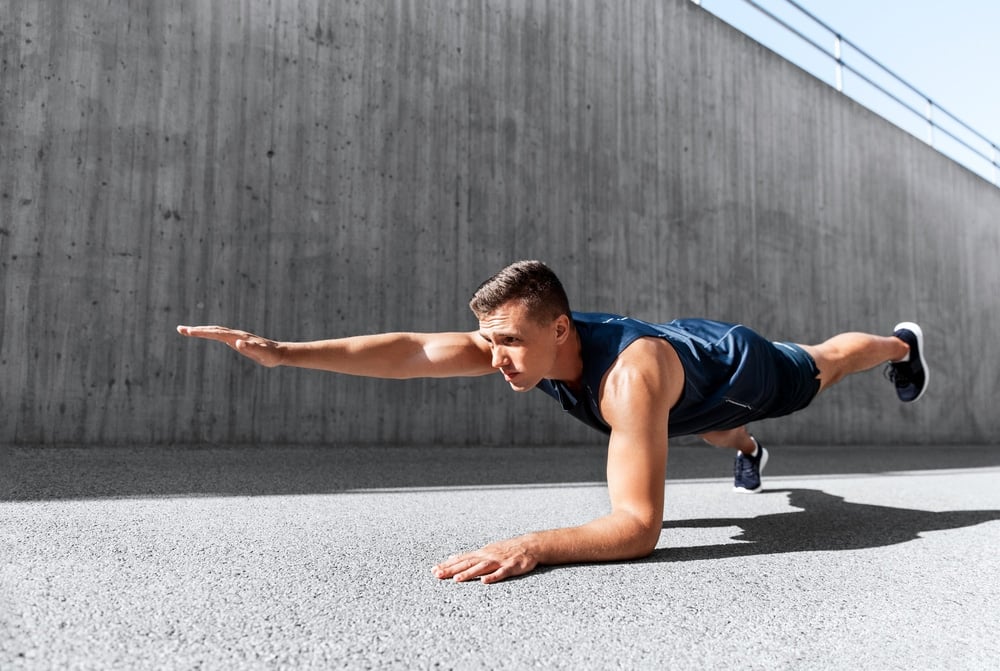
Bodyweight training has emerged as the preferred discipline for frequent travelers, those who prefer to avoid traditional gyms, and individuals focused on an athletic aesthetic. These twelve specialized applications provide the necessary structure for mastering bodyweight movements, whether the objective is performing a first pull-up, perfecting push-up form, or achieving advanced muscle-ups.
According to the ACSM Worldwide Survey of Fitness Trends for 2025, mobile exercise applications have secured the number two spot, while bodyweight training has remained a consistent global priority for over a decade. Calisthenics distinguishes itself as a form of resistance training that prioritizes leverage, skill acquisition, and bodyweight progressions rather than the addition of external iron.
The movement’s growth is driven by both cultural shifts and practical benefits. Calisthenics is uniquely suited for small living spaces, hotel rooms, and outdoor parks, requiring minimal equipment. This aligns with a modern preference for functional fitness—building a physique characterized by mobility, total-body control, and integrated strength.
A high-quality calisthenics app offers more than just a list of home exercises. The most effective platforms implement progressive overload through mechanical disadvantage and leverage. They categorize training around specific skill milestones, such as handstands, planche progressions, and hollow-body stability, while accounting for the high neurological demand of advanced bodyweight skills.
This analysis reviewed various platforms based on their progression logic, technical guidance, mobility integration, and equipment versatility, ensuring that tracking progress remains intuitive rather than a clerical burden.
Strategic Highlights
- Mobile fitness platforms are ranked as a top-two global trend for 2025 by ACSM.
- The core of calisthenics involves utilizing leverage and skill-based progressions to build strength.
- MadMuscles is identified as the premier choice for male-focused personalized bodyweight programming.
- Nike Training Club remains the most robust free resource for general conditioning and bodyweight work.
- Accurate tracking is essential for mastering technical skills like muscle-ups and front levers.
- Integrated training calendars are vital for maintaining consistency and monitoring session history.
- Premium subscriptions offer the most value through structured pathways and high-level technical tutorials.
Our Methodology: How We Ranked These Fitness Tools
Each application underwent a rigorous four-week evaluation conducted by an intermediate practitioner. The testing profile focused on an individual capable of performing basic pull-ups and dips but working toward advanced statics like the muscle-up. Trials were conducted across both iOS and Android platforms in varied environments, including home settings, commercial gyms, and outdoor parks with basic bar setups.
The scoring system was heavily weighted toward progression logic and skill mapping (35%). Quality of programming and recovery protocols accounted for 20%, while the integration of mobility and injury prevention (prehab) made up 15%. The final 30% was split equally between the user experience/form guidance and the app’s ability to adapt to different equipment availability—ranging from no-equipment routines to setups involving rings and parallettes.
The review also scrutinized the clarity of workout logs, the functionality of the training calendars, and the frequency of technical updates to ensure a committed development team was actively improving the user experience.
Quick Comparison: Leading Calisthenics Platforms
| App | Primary Use Case | Skill Focus | Free Access | Equipment Needed |
|---|---|---|---|---|
| MadMuscles | Custom male bodyweight plans | Moderate | Trial/Subscription | None to Full |
| Caliathletics | Advanced skill pathways | High | Limited | Bars/Parallettes |
| Madbarz | Street workout routines | Moderate | Freemium | None to Bars |
| Thenx | Visual technical tutorials | High | Limited | Bars Recommended |
| Freeletics | AI-driven bodyweight HIIT | Low to Moderate | Freemium | None |
| Nike Training Club | Polished free conditioning | Low | Full Free Access | Minimal |
| Movement Athlete | Assessment-based training | High | Trial Available | Bars Useful |
| Calisthenics Coach | Leverage-based progression | High | Limited | Bars/Parallettes |
| FitnessFAST | Minimalist no-gear workouts | Low | Freemium | None |
| GMB Fitness | Mobility and movement skill | Moderate | Paid Programs | Floor Space |
| Athlean-X | Athletic performance/Aesthetics | Moderate | Paid Programs | Varies |
| Bodyweight Strength | Beginner foundation building | Moderate | Varies | Minimal |
Detailed Reviews: Top 12 Calisthenics Apps for 2026
1. MadMuscles – Superior for Personalized Male Bodyweight Plans
Target Audience: Men looking for a structured entry into bodyweight training before transitioning to elite-level skills.
Primary Features: This platform utilizes an extensive intake quiz to analyze fitness levels, goals, and available equipment. It constructs a plan that can adapt to anything from a zero-equipment hotel room to a fully equipped outdoor gym. A key feature is its feedback loop: the app modifies future session difficulty based on the user’s performance ratings of completed workouts. It focuses on general strength and physique building over specialized statics.
Equipment: Adaptable; can use none, or integrate bars, bands, and dumbbells.
Model: Subscription-led, providing comprehensive meal plans and progress tracking alongside training.
Pros: Highly personalized routines; professional exercise demonstrations; integrated health tracking.
Cons: Not designed for elite-level planche or lever specialization.
2. Caliathletics – The Choice for Systematic Skill Mastery
Target Audience: Serious practitioners focused on mastering the muscle-up, handstand, and other advanced statics.
Primary Features: Caliathletics views calisthenics as a developmental journey. It provides clear, logical pathways for specific milestones. If a user wants to achieve a planche or a front lever, the app breaks these down into manageable drills and progressions. It is one of the most comprehensive tools for those prioritizing skill over pure conditioning.
Equipment: A pull-up bar is essential; parallettes are highly recommended.
Model: Freemium with regional pricing variations.
Pros: Detailed progression maps; high-quality video instruction; ideal for the intermediate-to-advanced athlete.
Cons: The learning curve may be steep for absolute beginners.
3. Madbarz – The Standard for Street-Style Circuits
Target Audience: Athletes who prefer high-intensity street workout routines and community-based sharing.
Primary Features: This app is centered on circuit-style training and standalone routines. It excels at automatic workout logging, making the habit of tracking sessions feel seamless. Users also have the ability to design and save custom routines based on the time they have available and their specific goals.
Equipment: Many routines require no gear, though a bar setup unlocks the full library.
Model: Freemium with premium programming options.
Pros: Excellent for quick, high-intensity sessions; strong social features; highly customizable.
Cons: Less focus on the technical nuances of elite statics like the human flag.
4. Thenx – Best for Visual Coaching and Technical Breakdowns
Target Audience: Visual learners who want professional-grade demonstrations of advanced movements.
Primary Features: Developed using Chris Heria’s methodology, Thenx provides a bridge between casual bodyweight training and elite performance. The tutorial videos are exceptionally clear, breaking down complex movements into understandable technical phases. It feels like having a coach guiding you through each repetition.
Equipment: A bar setup is necessary for most programs.
Model: Limited free content with full program access requiring a subscription.
Pros: Top-tier video production; strong emphasis on form; motivational delivery.
Cons: Less flexibility in the programmed schedules compared to other apps.
5. Freeletics – Premier AI-Driven Conditioning
Target Audience: Individuals prioritizing fat loss, high-intensity conditioning, and metabolic health.
Primary Features: With a global user base exceeding 50 million, Freeletics uses AI to create adaptive plans that evolve based on user feedback. It blends bodyweight strength with HIIT and running. It is particularly effective for those who want to see improvements in body composition and cardiovascular endurance through bodyweight movements.
Equipment: Primarily designed for no-equipment training.
Model: Freemium with coaching features behind a paywall.
Pros: Excellent for travel; highly adaptive AI; robust session history tracking.
Cons: Limited focus on advanced skill development (e.g., planche work).
6. Nike Training Club – The Best Comprehensive Free Resource
Target Audience: Beginners and intermediate users seeking high-quality, free guidance for general fitness.
Primary Features: NTC provides professionally produced workouts covering strength, yoga, and mobility. While not a dedicated calisthenics “skill” app, its bodyweight routines are excellent for building foundational strength and consistency without a financial commitment.
Equipment: Varies from zero equipment to light weights.
Model: Largely free in most markets.
Pros: Exceptional production quality; great for mobility work; no subscription required for core features.
Cons: Lacks a specific “skill tree” for advanced calisthenics milestones.
7. Movement Athlete – Top-Tier Assessment and Injury Prevention
Target Audience: Users who want a program tailored to their specific physical strengths and weaknesses.
Primary Features: This platform begins with a comprehensive physical assessment. It uses this data to customize a progression path, ensuring that users do not attempt advanced skills before their joints and connective tissues are prepared. This focus on “prehab” makes it a safe choice for long-term development.
Equipment: Bar access is highly beneficial.
Model: Premium subscription model.
Pros: Highly individualised; focus on joint health; strong skill-based tracking.
Cons: Higher price point; the initial onboarding process is time-consuming.
8. Calisthenics Coach – Focused on Pure Progressive Overload
Target Audience: Practitioners who want to understand the mechanics of making bodyweight exercises harder without adding weight.
Primary Features: This app focuses on variables like tempo, range of motion, and leverage to increase difficulty. It is particularly useful for those preparing for physical fitness exams or anyone who values a disciplined, scientific approach to bodyweight strength.
Equipment: Pull-up bars and parallettes are recommended for full use.
Model: Freemium.
Pros: Clear leverage-based progressions; excellent for building raw pull-up strength.
Cons: The user interface can feel less polished than high-budget competitors.
9. FitnessFAST – The Ideal Minimalist Tool
Target Audience: Busy professionals needing quick, effective workouts with zero setup time.
Primary Features: FitnessFAST is designed for maximum efficiency. It targets users who need to squeeze in a workout in an office or a small hotel room. It focuses on high-frequency, low-barrier-to-entry movement rather than complex technical skills.
Equipment: None.
Model: Freemium.
Pros: Short, efficient sessions; extremely low barrier to entry.
Cons: Not suitable for long-term advanced skill progression.
10. GMB Fitness – Best for Movement Quality and Flow
Target Audience: Users who prioritize mobility, physical autonomy, and movement variety over traditional repetition counting.
Primary Features: GMB blends strength training with animal-style movements and mobility flows. It is less about “reps and sets” and more about movement competence and body control. This is an excellent alternative for those who find traditional gym routines monotonous.
Equipment: Mostly requires only floor space; some programs integrate rings.
Model: Individual program purchases rather than a monthly subscription.
Pros: Exceptional focus on joint health; builds genuine physical confidence.
Cons: Does not follow a traditional “street workout” structure.
11. Athlean-X (Bodyweight) – Built for Athletic Aesthetics
Target Audience: Individuals who want the physique of an athlete with the strength to match.
Primary Features: Created by physical therapist Jeff Cavaliere, these programs apply professional coaching logic to bodyweight training. They focus on muscle activation and corrective exercises to ensure that calisthenics training results in both visible muscle growth and improved performance.
Equipment: Varies; may require bands or a pull-up bar.
Model: One-time program purchases.
Pros: Expert-level physiological guidance; great for aesthetic goals.
Cons: Delivered via a web-portal/app hybrid which may feel less “native” than dedicated apps.
12. Bodyweight Strength Training – The Beginner’s Foundation
Target Audience: Absolute beginners needing to build the baseline strength required for more advanced programs.
Primary Features: These programs strip away the complexity of advanced skills to focus on the “big five” movements: push-ups, squats, rows, lunges, and core work. It is a low-intimidation entry point for those just starting their fitness journey.
Equipment: Minimal to none.
Model: Varies by specific program.
Pros: Simple and accessible; focuses on fundamentals.
Cons: Users will likely outgrow the content within a few months.
Starting Your Calisthenics Journey
For those new to the discipline, the priority should be repeatable foundational movements rather than attempting impressive statics immediately. A successful beginner trajectory typically involves mastering push-up variations, squat patterns, assisted pull-ups, and core stability exercises like the hollow-body hold. These movements prepare the joints and connective tissues for the higher stresses of advanced skills.
Consistency is more important than complexity in the early stages. Many beginners find success by following a structured 30-day plan to build the habit before committing to a paid application. Once the habit is established, an app serves to accelerate progress by providing more nuanced variations and tracking tools. The use of a workout calendar within these apps is a proven method for maintaining long-term engagement.
Selecting the Appropriate Platform for Your Goals
Choosing the right tool requires aligning the app’s strengths with your specific objectives. If your goal is foundational strength and a better physique, MadMuscles or general bodyweight programs are most effective. If you are chasing technical skills like the handstand or muscle-up, Caliathletics or Thenx are the logical choices. For those focused on longevity and joint health, GMB Fitness is the standout option.
Consider your environment: no-equipment users should look toward Freeletics or Nike Training Club. If you have access to a pull-up bar, your options expand significantly, allowing for the inclusion of pulling movements that are essential for a balanced physique. Your current experience level should also dictate your choice; elite programs can be discouraging for beginners, while basic programs may not provide enough stimulus for an advanced athlete.
Comparing Free and Premium Versions
Paid applications generally offer the most value when they provide a clear, long-term roadmap. Subscription tiers often unlock detailed video tutorials, adaptive programming that changes based on your performance, and advanced recovery guidance. These features are designed to help you break through plateaus that often occur with self-guided training.
Free applications are perfectly suitable for establishing a baseline of fitness and maintaining a general conditioning habit. They are best utilized by individuals who already have a basic understanding of exercise form and are looking for a simple tool to organize their daily sessions.
Scientific Evidence Supporting Bodyweight Training
The efficacy of calisthenics is well-documented in sports science research. A 2018 study by Kotarsky et al., published in the Journal of Strength and Conditioning Research, demonstrated that progressive push-up protocols could produce improvements in upper-body strength and muscle thickness comparable to bench press training over a four-week period.
Further research published in Isokinetics and Exercise Science (2017) by Thomas and colleagues noted significant improvements in posture, body composition, and overall strength following an eight-week calisthenics intervention. Additionally, meta-analyses in the Journal of Sports Sciences emphasize that muscle growth is primarily a result of training volume and progressive overload—factors that can be managed just as effectively with bodyweight leverage as they can with external weights.
The Advantage of Calisthenics for Modern Travel
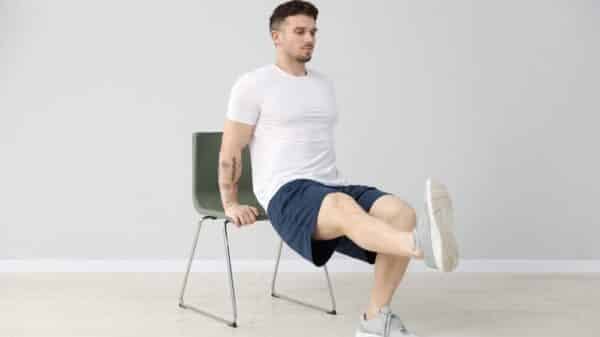
Calisthenics is the ultimate training style for the mobile professional. The ability to perform a high-quality session in a hotel room using only floor space and perhaps a sturdy chair allows for uninterrupted progress regardless of location. Apps like Freeletics and MadMuscles are specifically tailored for this versatility, ensuring that “no gym access” is never a barrier to training.
The simplicity of bodyweight training also encourages a focus on movement quality. On the road, the best apps act as a digital training partner, providing a visual guide for form and a structured calendar to ensure that even short 15-minute sessions contribute to long-term goals.
Common Inquiries Regarding Calisthenics Apps
Which app is the top choice for 2026?
MadMuscles is the leading choice for men seeking personalized bodyweight routines. However, for those focused specifically on advanced skill acquisition, Caliathletics remains the specialist favorite. The “best” app is the one that aligns with your specific goal: general fitness or technical mastery.
Is it possible to gain significant muscle using only bodyweight?
Absolutely. Muscle hypertrophy is driven by tension and volume. By using progressive variations to increase the difficulty (leverage) and ensuring sufficient weekly sets, calisthenics can build a highly muscular and functional physique, as supported by research from Kotarsky et al.
Which platform offers the best free experience?
Nike Training Club is widely considered the gold standard for free content, offering professional coaching and varied routines without the typical subscription requirements of other major fitness brands.
How long does it take to learn basic skills?
Most beginners can see significant improvements in foundational movements like push-ups and squats within 8 to 12 weeks. Technical skills like the handstand or muscle-up are more dependent on individual starting points and typically require several months of dedicated practice.
Is any equipment truly necessary?
While you can start with nothing but floor space, a pull-up bar is highly recommended for long-term progress. It allows for “pull” movements that are difficult to replicate without a bar and are essential for back and bicep development.
Is calisthenics superior to lifting weights?
Neither is inherently superior; they offer different benefits. Calisthenics excels at building relative strength, mobility, and body control. Weightlifting allows for easier incremental loading. Many athletes find that a hybrid approach provides the most balanced results.
Summary of Recommendations
For a personalized and adaptive experience, MadMuscles is the top recommendation for men entering the bodyweight space. Nike Training Club remains the premier choice for those seeking a high-quality free resource. For the serious athlete focused on technical milestones like the muscle-up and planche, Caliathletics provides the most detailed roadmap. Ultimately, the best application is the one that fits your lifestyle and keeps you consistent. Calisthenics offers a unique blend of portability, aesthetic results, and physical discipline, making it an ideal choice for the modern fitness enthusiast.