




















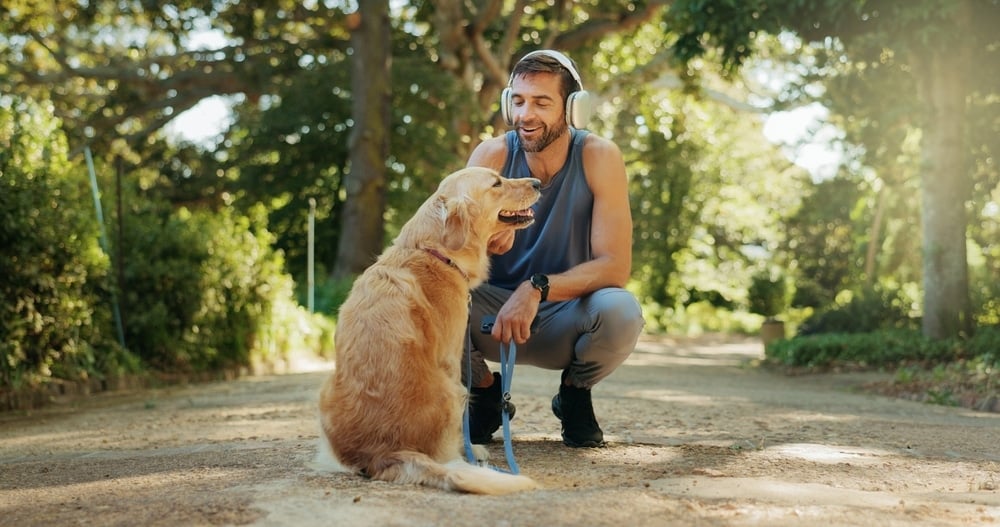
For many pet owners, staying active is a natural part of caring for a dog. Routine walks and trips to the park provide a foundation for a healthy lifestyle, but integrating your dog into your running or high-intensity workout routine can unlock even greater advantages for both of you. Beyond just burning calories, exercising with a canine companion enhances physical fitness, supports mental health, and deepens the unique connection you share with your pet.
The Advantages of Having a Canine Fitness Partner
Maintaining a consistent fitness schedule is one of the most common challenges for many people. Personal motivation often wanes due to work commitments or changing weather. However, dogs thrive on predictable routines and physical exertion. Their natural excitement for outdoor activity can serve as a powerful catalyst, helping owners stay dedicated to their fitness goals even on days when they might otherwise skip a workout.
Unlike a human workout partner who might cancel, a dog is almost always ready to head out the door. This unwavering reliability helps establish long-term healthy habits. Furthermore, many breeds possess high energy levels that require more than a slow walk to satisfy. Engaging in runs or aerobic workouts allows these dogs to expend excess energy in a constructive way while helping their owners improve their own cardiovascular endurance.
To make these activities safe and efficient, using the right equipment is essential. Specialized gear, such as ergonomic harnesses or hands-free leashes, can make the experience more comfortable for both the runner and the dog, ensuring that the focus remains on the workout rather than managing equipment issues.
Mutual Physical Gains from Shared Exercise
Participating in more vigorous activities like running can significantly elevate the fitness levels of both the owner and the dog. Aerobic exercise is vital for heart health, weight management, and building functional strength.
For owners, a consistent running routine offers several health benefits:
- Improved cardiovascular efficiency and lung capacity
- Higher metabolic rate and calorie burning
- Better muscle definition and lower body strength
- Increased daily energy levels and stamina
- A proactive approach to reducing the risk of chronic health issues
Dogs receive similar physiological rewards. Consistent movement helps maintain an ideal body weight, supports long-term joint health, and reduces the risk of weight-related complications. An active lifestyle often leads to a more vibrant and healthy life for a dog as they age.
Psychological Wellness and Stress Management Benefits
The link between physical activity and mental health is well-documented. Running triggers the release of endorphins—the body’s natural mood elevators—which help mitigate stress and foster a sense of calm. When you bring a dog into the mix, these emotional benefits are often heightened. The simple act of spending time outdoors and interacting with a companion animal can lower anxiety and improve your overall outlook.
Dog owners frequently report that exercising with their pets makes the activity feel less like a chore and more like a rewarding social interaction. The benefits are reciprocal; dogs also need mental stimulation to stay healthy. Vigorous exercise provides a “job” for the dog, reducing boredom and helping to prevent destructive behaviors that often stem from pent-up energy or lack of engagement.
Nurturing a Stronger Human-Canine Connection
Sharing an active lifestyle is an excellent way to strengthen the bond between humans and their pets. Running together requires a degree of teamwork, trust, and communication. Through consistent training, dogs learn to interpret their owner’s pace and cues, while owners become more intuitive regarding their dog’s physical state and non-verbal communication.
This shared journey fosters a deeper sense of mutual understanding. Over time, the workout becomes a core part of the relationship, turning a fitness goal into a meaningful bonding experience that enriches the lives of both the owner and the animal.
Safety Considerations for Running with Your Pet
While most dogs enjoy being active, it is important to remember that they are not all built for long-distance running immediately. Factors such as the dog’s breed, age, and current fitness level must be considered before starting an intensive program.
To ensure a safe experience, keep these guidelines in mind:
- Progress slowly: Gradually increase distance and speed to allow your dog’s muscles and paw pads to adapt to the new activity level.
- Prioritize hydration: Always bring fresh water for your dog, especially in humid or warm conditions, as they cannot regulate their body temperature as efficiently as humans.
- Choose the right terrain: Whenever possible, run on soft surfaces like grass or dirt trails to minimize the impact on your dog’s joints compared to hard asphalt.
- Watch for fatigue: Stay alert for signs of heavy panting, lagging behind, or limping. If your dog seems tired, it is time to stop and rest.
- Invest in proper gear: A well-fitted harness is generally safer than a collar for running, as it distributes pressure more evenly across the dog’s body.
Building a Sustainable Path to Collective Wellness
Integrating your dog into your fitness routine provides benefits that go far beyond basic weight loss. It is a holistic approach to health that improves cardiovascular strength, boosts mental clarity, and solidifies the relationship with your pet. By treating your dog as a workout partner, you create a system of accountability and joy that makes a healthy lifestyle easier to maintain. Ultimately, this shared commitment leads to a more active, fulfilling, and connected life for both you and your loyal companion.