
















When discussing overall wellness, focus typically centers on cardiovascular fitness, nutritional habits, mental clarity, and weight management. While these pillars are vital, the health of our legs is a frequently overlooked component of a thriving body. Our legs serve as the foundation for daily activity and play a critical role in maintaining efficient whole-body circulation. Often, people ignore signals like persistent fatigue, swelling, or minor aches in their lower limbs until these symptoms begin to diminish their quality of life.
Optimal leg health involves much more than aesthetic appearance. Healthy legs are essential for supporting the heart, ensuring robust circulation, and maintaining physical mobility. Beyond physical function, the condition of our legs impacts our independence, athletic performance, and even our psychological state. When circulation in the lower extremities is compromised, it can trigger a cascade of negative effects that diminish a person’s long-term energy levels and vitality. For those noticing persistent discomfort, heaviness, or visible vascular changes, consulting a specialist can help evaluate circulatory health and establish a plan to manage symptoms before they escalate.
The Vital Role of Legs in Maintaining Personal Independence
The ability to move freely is a cornerstone of a healthy life. Our legs facilitate nearly every form of physical engagement, from essential daily tasks and professional responsibilities to travel and recreational exercise. By enabling movement, healthy legs unlock a wide range of physical and social benefits that contribute to a fulfilling lifestyle.
When mobility is hindered by leg discomfort, individuals often become less active, which can lead to a detrimental cycle of declining physical fitness and worsening health. Even subtle symptoms—such as a feeling of “heavy legs” or general aching—can be enough to discourage someone from staying active. This reduction in movement often results in muscle atrophy, decreased flexibility, and increased cardiovascular strain. Prioritizing leg health is a proactive way to safeguard one’s independence and ensure that an active lifestyle remains sustainable throughout the aging process.
How Lower Body Circulation Fuels the Entire System
The legs are a primary driver of the body’s circulatory efficiency. While the heart pumps oxygen-rich blood throughout the body, a complex system of veins and valves in the legs is responsible for returning that blood back to the heart. This process is particularly challenging because it must work against the force of gravity.
To overcome gravity, the body utilizes the calf muscles as a functional pump. As these muscles contract during movement, they squeeze the veins, pushing blood upward. This circulatory process is essential for delivering nutrients and oxygen to cells while simultaneously removing metabolic waste products. When this system is impaired, blood can begin to pool in the lower limbs, leading to increased venous pressure and various vascular complications.
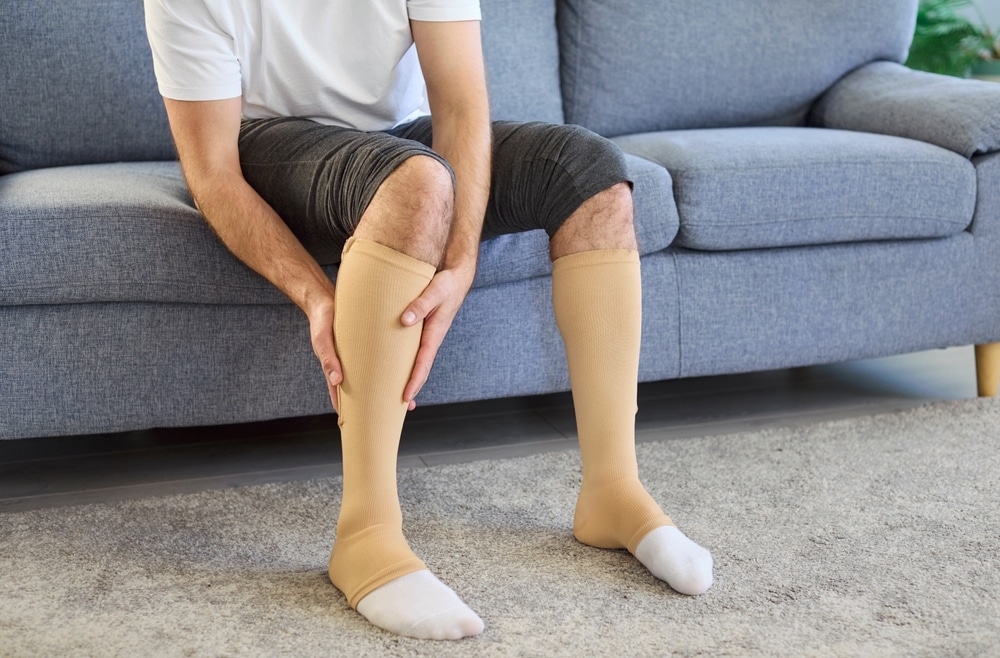
Indications of poor circulation often include localized swelling, cramping, skin texture changes, and the development of varicose veins. Identifying these issues in their early stages is vital for protecting both vascular integrity and general well-being.
Connecting Vascular Integrity to Systemic Well-Being
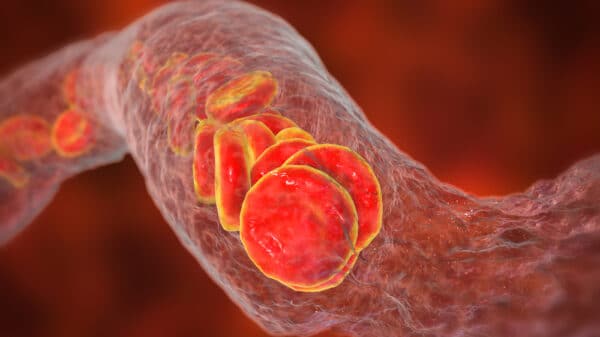
It is a common misconception that vein issues, particularly varicose veins, are merely a cosmetic concern. In reality, venous insufficiency is a medical condition that can influence the health of the entire body. When the valves within the veins weaken, they allow blood to flow backward and accumulate in the legs, a condition that typically worsens over time if left unaddressed.
The symptoms associated with vein disease can significantly disrupt daily life. Chronic discomfort often leads to poor sleep quality and a decreased ability to participate in regular exercise. Furthermore, the persistent physical strain can negatively impact mental health. In advanced stages, untreated vein issues may contribute to more serious health complications. Viewing vein health as an essential part of preventive healthcare is crucial for long-term vitality.
The Influence of Modern Lifestyle Patterns on Vein Health
Modern environments often present challenges to the circulatory system. Sedentary habits, poor posture, and lack of regular movement can all impede healthy blood flow. For example, remaining stationary for long periods can lead to sluggish circulation in the lower body. Conversely, professions that require prolonged standing can place excessive pressure on the veins, contributing to persistent leg and foot symptoms.
Body weight also plays a significant role in vascular health. Carrying excess weight increases the mechanical pressure on the veins, which may lead to circulatory issues over time. Fortunately, making small, consistent adjustments to daily routines can yield significant improvements. Integrating more movement into the day, staying hydrated, and managing weight can enhance both circulation and leg function. These lifestyle choices support not only the legs but also metabolic health and overall longevity.
Leveraging Targeted Movement for Improved Blood Flow
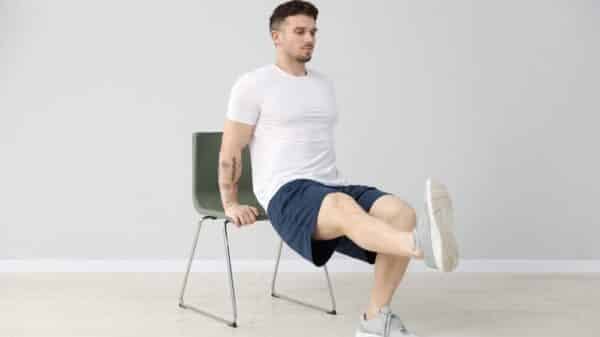
Physical activity is one of the most effective tools for maintaining healthy legs and robust circulation. Exercise strengthens the muscles that support the vascular system and improves the efficiency of the heart. For those focused specifically on vein health, low-impact activities are often the most beneficial.
Walking, swimming, cycling, and yoga are excellent choices because they stimulate blood flow without placing excessive stress on the joints. By reducing inflammation and promoting efficient circulation, regular exercise helps maintain the structural integrity of the veins. Additionally, the mood-boosting effects of physical activity provide a mental health benefit that complements the physical improvements in leg wellness.
Spotting Early Warning Signs of Impaired Circulation
Vascular issues in the legs often develop gradually, leading many people to dismiss early symptoms as natural signs of aging or simple tiredness. However, early recognition is the key to achieving the best health outcomes. Being aware of the subtle signs of venous issues allows for more effective, less invasive interventions.
Typical warning signs include aching in the limbs, ankle swelling, nocturnal leg cramps, persistent itching, and a sensation of restlessness in the legs. These symptoms often intensify after long periods of sitting or standing. Seeking a professional evaluation at the first sign of these changes is essential for determining the root cause and ruling out progressive vein disease. Early diagnosis empowers healthcare providers to recommend personalized solutions that prevent future complications.
Addressing the Mental and Social Aspects of Leg Health Concerns
The impact of leg health extends beyond physical sensation; it can also affect emotional and social well-being. Individuals with visible vascular conditions may feel self-conscious, leading them to avoid certain types of clothing or social activities like swimming. This can result in social withdrawal and a decreased sense of confidence.
Furthermore, the stress of dealing with chronic leg pain can diminish one’s overall quality of life. When physical comfort is compromised, mental resilience often suffers as well. Modern medicine has made significant strides in this area, offering minimally invasive diagnostic and treatment options that require very little downtime. Addressing these concerns can lead to a significant boost in self-esteem and a renewed ability to enjoy social and physical activities.
With today’s advanced technology, vein specialists can identify circulatory issues with high precision. This allows for personalized care plans that treat the underlying cause of venous insufficiency with minimal discomfort. Taking the step to consult a specialist can provide a clear path toward improved circulation and long-term leg health, allowing patients to address concerns before they impact their broader well-being.
Proactive Strategies for Sustaining Vascular Health
Prevention remains the most effective strategy for ensuring the long-term health of the legs. While factors such as genetics and age cannot be changed, many risks can be mitigated through intentional lifestyle choices. To maintain vascular wellness, it is important to avoid long periods of inactivity, keep the body well-hydrated, and maintain a healthy weight.
Simple habits, such as elevating the legs to reduce pressure and incorporating stretching throughout the day, can significantly aid circulation. For those with a family history of vein issues, regular checkups can help catch potential problems early, often leading to simpler management strategies and a better long-term prognosis. Investing in preventive care today supports the vascular system and contributes to a healthier future.
Takeaway: Prioritizing Leg Health for Longevity
Leg health is a fundamental, yet frequently overlooked, pillar of systemic wellness. Healthy legs are the drivers of mobility, autonomy, and efficient circulation, all of which are essential for maintaining physical and emotional vitality. By recognizing that vascular health in the lower limbs is connected to heart health and overall quality of life, individuals can take proactive steps to stay active and healthy. Through a combination of regular movement, preventive care, and timely professional guidance, it is possible to maintain strong, healthy legs that support a fulfilling and independent lifestyle for years to come.