













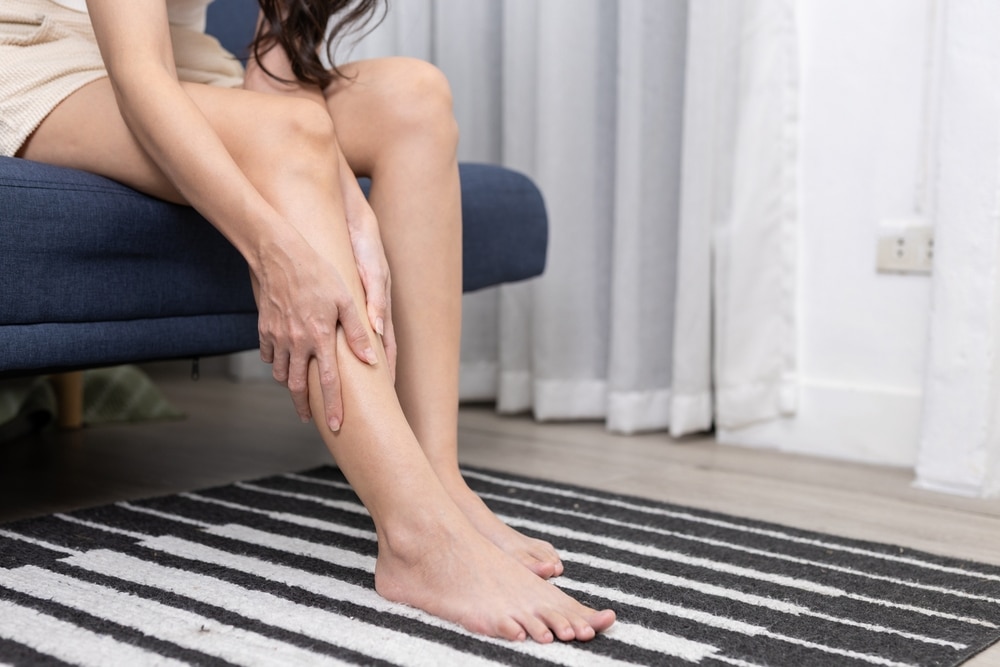
Most individuals pay little attention to their lower limbs until discomfort or dysfunction becomes impossible to ignore. We rely on our legs for every step and every transition throughout the day, yet their internal health remains a mystery to many. It is often only when persistent swelling, heaviness, or intense nocturnal cramping occurs that we begin to realize the intricate work happening beneath the surface.
Leg circulation operates as a silent, continuous process. However, when the system is compromised, the body often sends its loudest signals during the quietest hours. Waking up in the middle of the night with a debilitating muscle spasm is frequently the first clear indication that the circulatory system is struggling to meet the demands of the lower body.
The Physical Demands of Venous Return
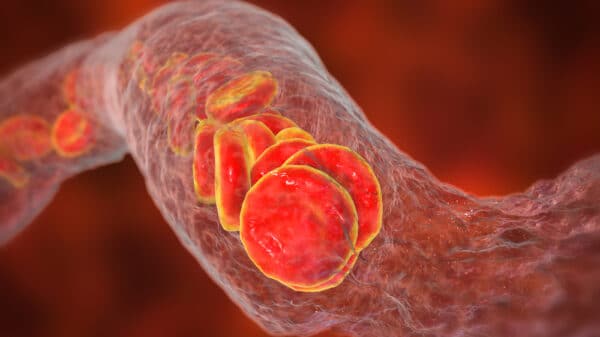
The circulatory system in the legs faces a unique physical challenge that the upper body does not: the constant pull of gravity. While the heart easily pumps oxygenated blood downward through the arteries, the return trip through the veins requires significant effort to push blood back up toward the chest.
To facilitate this upward movement, your veins are equipped with small, one-way valves designed to prevent blood from flowing backward. If these valves become weak or damaged, blood begins to pool in the lower extremities rather than moving efficiently. This localized pressure often results in visible changes, such as persistent swelling or gradual skin discoloration. Many people overlook early symptoms—like a feeling of heaviness by late afternoon or unusually cold feet—dismissing them as simple signs of aging rather than recognizing them as warnings of vascular distress.
Understanding the Impact of Nighttime Symptoms
Resting at night often highlights circulatory weaknesses that remain hidden during a busy day. As the body’s metabolic rate slows and physical activity ceases, blood flow naturally decreases. For those with already impaired circulation, this drop can trigger a physiological crisis within the tissues.
When leg muscles are deprived of sufficient oxygen and metabolic waste products are not efficiently cleared, the tissue reacts. This often manifests as a sharp, sudden cramp that interrupts sleep. These nocturnal episodes are more than just a minor annoyance; they are a sign that the circulatory system is under genuine strain. Ignoring these cramps can lead to a detrimental cycle: poor sleep causes daytime fatigue, which leads to a sedentary lifestyle, further weakening circulation and intensifying the frequency of nighttime pain.
The Connection Between Mobility and Systemic Health
The health of your legs is inextricably linked to your overall physical well-being. Efficient energy production and muscle recovery depend on a consistent supply of oxygen and the removal of cellular byproducts. Healthy blood vessel function is also essential for managing inflammation throughout the body.
When blood flow to the legs falters, physical activity becomes increasingly difficult. Tasks that were once simple, such as climbing a flight of stairs or taking a long walk, may become exhausting. This creates a negative feedback loop where reduced mobility leads to a decline in cardiovascular fitness, which in turn causes further deterioration of vascular health in the lower limbs.
Primary Factors That Compromise Blood Flow
Several lifestyle and physiological factors can negatively impact how well blood moves through your legs. Identifying these triggers is the first step toward improvement:
- Sedentary behavior: Prolonged periods of sitting prevent leg muscles from acting as pumps to move blood upward.
- Weight management: Carrying excess body weight increases the pressure on the venous system.
- Hydration levels: Inadequate water intake can cause blood to become more viscous, making it harder to circulate.
- Dietary choices: Diets high in inflammatory foods can gradually damage the integrity of blood vessel walls.
- Hormonal changes: Natural fluctuations in hormones can impact the elasticity and strength of the veins.
Often, these factors work in tandem, creating a compounded effect on your long-term vascular health.
Proactive Steps for Better Circulation
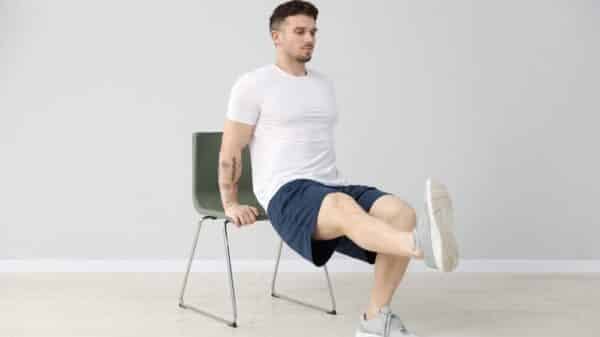
The circulatory system is remarkably responsive to positive lifestyle adjustments. Physical movement is perhaps the most effective way to restore function. When you walk or climb stairs, your calf muscles contract and act as a “secondary heart,” forcefully pushing blood against gravity and back toward the core of your body.
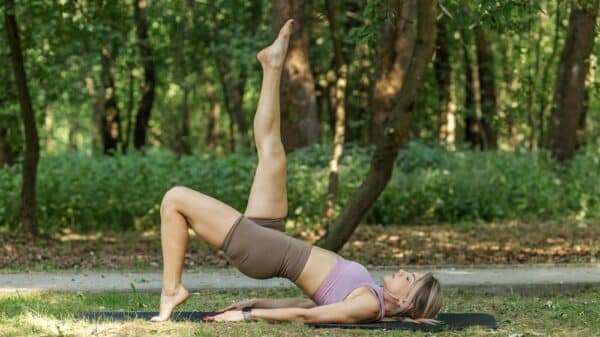
Elevation can also provide immediate relief for those experiencing pooling and swelling. By lying down with your legs positioned above the level of your heart for a short period, you allow gravity to assist in draining excess fluid. Furthermore, staying well-hydrated ensures that blood maintains the proper consistency for smooth flow. Nutritional support, including antioxidant-rich foods and minerals like magnesium, can further strengthen blood vessel walls and reduce the frequency of muscle cramps.
Frequently Asked Questions
Should I be concerned about frequent leg cramps at night?
While an occasional cramp may not be a cause for alarm, frequent or severe episodes often indicate an underlying circulatory issue that should be evaluated by a healthcare professional.
Is it possible to improve or reverse poor circulation?
Yes, many people see significant improvements in their symptoms within weeks of implementing consistent lifestyle changes, such as increased movement and better hydration.
Does age make it impossible to restore leg health?
No. While the vascular system does age, the body remains responsive to exercise and healthy habits at any stage of life. Improvements in circulation can be achieved regardless of age.
Summary of Core Takeaways
Maintaining healthy leg circulation is a vital component of long-term mobility and overall wellness. By recognizing early warning signs—such as heaviness, swelling, and nighttime cramps—you can take proactive steps to support your vascular system. Utilizing the “secondary heart” through regular movement, staying hydrated, and practicing elevation are simple yet powerful ways to overcome the challenges of gravity and ensure your legs remain strong and functional for years to come.