




















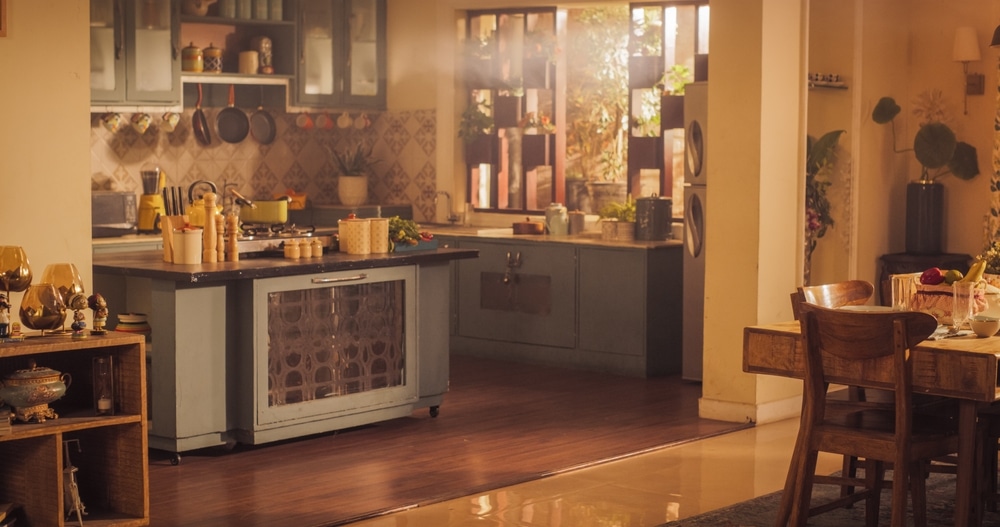
For decades, kitchen design was centered almost exclusively on utilitarian efficiency. Minimalist lines, high-gloss cabinets, and cold, sterile surfaces were the hallmarks of a modern culinary space. While these designs were highly functional, they often lacked the emotional warmth and character that turn a house into a home.
Today, we are seeing a significant shift toward the “soft kitchen” movement. This design philosophy moves away from the laboratory-like precision of the past and instead focuses on creating an environment that feels inviting, comfortable, and lived-in. By treating the kitchen as a natural extension of the home’s living quarters rather than a separate workstation, homeowners are crafting spaces that prioritize human connection and relaxation.
Defining the Soft Kitchen Aesthetic
A soft kitchen is less about a specific decorative era and more about an intentional approach to atmosphere. It seeks to balance the necessary durability of a kitchen with the plush, welcoming qualities of a lounge.
Rather than leaning on harsh contrasts or industrial finishes, a soft kitchen typically incorporates:
- A palette of organic, earthy tones
- Tactile, natural materials like wood and stone
- Ergonomic, rounded silhouettes and curves
- Richly layered textiles and textures
- Integrated, comfortable seating areas
- Thoughtfully curated decorative elements
The core objective is to dismantle the rigid boundaries between meal preparation, dining, and socializing. As open-plan architecture remains a staple of modern living, the kitchen must now provide the same level of psychological comfort and aesthetic softness as the living room.
The Drivers Behind This Growing Design Trend
The popularity of the soft kitchen is a direct reflection of how contemporary lifestyles have evolved. The kitchen has moved from the back of the house to the very center of daily life. It is the primary social hub where families regroup after a long day, where guests gather during celebrations, and where everyday moments are shared.
In a world of increasing digital saturation and high-performance expectations, there is a renewed collective desire for domestic spaces that support mental wellbeing. People are moving away from highly manicured, “museum-like” interiors in favor of environments that feel nurturing. The soft kitchen trend fulfills this need by fostering an atmosphere that is relaxed and genuinely pleasurable to inhabit.
Transitioning to a Warmer Color Palette
Color is perhaps the most immediate way to soften the visual impact of a kitchen. While the classic all-white kitchen remains a timeless choice, there is a clear movement toward hues that offer more depth and warmth.
Designers are increasingly opting for “new neutrals” such as sophisticated taupes, mushroom grays, muted sage greens, and creamy off-whites. These shades are softer on the eyes and create a more grounded, biophilic connection to the natural world than stark, cool-toned grays or bright whites.
For those who aren’t ready for a full cabinetry overhaul, these warmer tones can be introduced through wall paint, soft furnishings, or decorative accents to instantly take the clinical edge off the room.
Incorporating Organic and Natural Materials
The use of natural materials is essential for adding sensory richness to the kitchen. Hard surfaces are unavoidable for hygiene and durability, but they can be successfully balanced with softer elements.
Natural timber shelving, unpolished stone worktops, and woven accents like wicker or rattan introduce texture that counteracts the coldness of appliances and metal fixtures. Flooring also plays a pivotal role in this transformation. Wood-effect flooring, such as engineered timber or high-quality LVT in a parquet pattern, provides a visual warmth that connects the kitchen to the rest of the home. Running consistent flooring throughout an open-plan space creates a sense of flow and makes the culinary area feel much more integrated and less utilitarian.
Another hallmark of the soft kitchen is the departure from sharp, aggressive angles. Rigid rectangular islands and boxy furniture are being replaced by softer, more ergonomic shapes. Curved breakfast bars, rounded kitchen islands, and arched cabinetry details create a more fluid environment that feels easier to navigate. Even small changes, such as selecting a round dining table or arched pendant lighting, can significantly soften the room’s overall geometry, making the space feel more approachable and less formal.
Applying Living Room Textures to Culinary Spaces
To achieve the soft kitchen look, one must look at the room through the lens of a living space. Traditionally, kitchens were all about “wipe-clean” surfaces, but the modern approach layers in textiles to provide depth and physical comfort.
Consider introducing:
- Upholstered chairs or bar stools in soft fabrics
- Fabric-covered lampshades for a diffused glow
- Soft linen window treatments or tablecloths
- Plush cushions for banquette or window seating
- Rugs made from durable natural fibers like jute or sisal
These layers work together to absorb sound and provide visual softness, preventing the kitchen from feeling echoey or clinical.
Shifting from Concealment to Curated Styling
The previous era of kitchen design focused on “hiding” the realities of a working kitchen behind closed doors and integrated panels. The soft kitchen, however, embraces a more authentic, lived-in feel.
Open shelving allows for a “curated” display of cookbooks, artisanal ceramics, and personal heirlooms. This approach allows the kitchen to tell a story and reflect the personality of the residents. Rather than aiming for flawless, untouched surfaces, the soft kitchen celebrates the items that bring joy to daily life, making the room feel unique and genuinely welcoming.
The Long-Term Appeal of the Soft Kitchen
Investing in a soft kitchen design is a practical choice for anyone who views their home as a sanctuary. This trend does not compromise on functionality; rather, it enhances it by acknowledging that the kitchen must perform as a social, emotional, and practical space simultaneously.
By blending natural materials, warm colors, and comfortable textures, homeowners can create a space that is as beautiful as it is usable. Ultimately, the soft kitchen is a timeless design choice because it prioritizes the human experience, ensuring the room remains a favorite gathering spot for years to come.
Final Thoughts on Creating a Softer Home
Transitioning toward a soft kitchen is about more than just aesthetics; it is about creating a space that aligns with a slower, more intentional way of living. By softening the lines, colors, and textures of the culinary environment, we can transform the kitchen from a place where we simply perform tasks into a room where we truly live. Whether through a major renovation or small, thoughtful updates, embracing this shift toward comfort and warmth ensures that the heart of the home is a place of genuine respite and connection.