



















Many common household issues develop gradually, often going unnoticed until they begin to impact daily life. Subtle changes, such as a lingering scent that won’t dissipate or a slight discoloration in the tap water, may seem minor but often signal underlying concerns that can compromise respiratory health, immune function, and skin integrity. Identifying these early warning signs allows residents to take proactive measures, preventing discomfort and avoiding long-term physical complications.
Managing Dampness and Indoor Fungal Growth
Research indicates that nearly half of all residential properties worldwide show signs of dampness or fungal growth, highlighting how common moisture-related issues are in modern living spaces. When excess moisture accumulates indoors, it creates an ideal environment for mold to flourish. Once established, these fungi release microscopic spores into the air, which can be easily inhaled by residents.
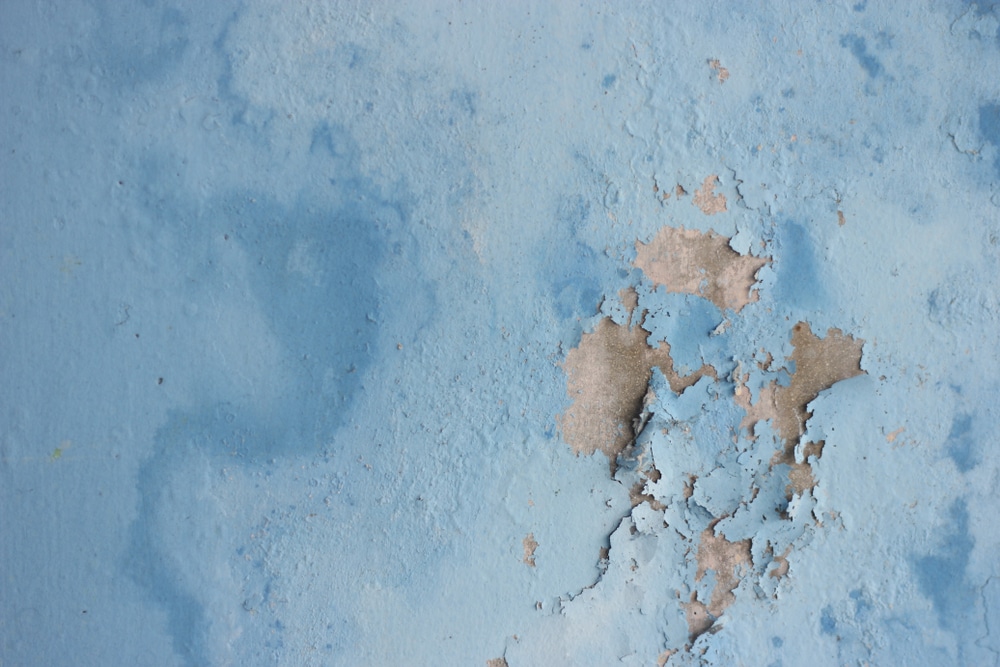
The health impacts of mold exposure vary significantly. While some people may only experience mild allergic reactions, such as sneezing or watery eyes, others can develop persistent respiratory distress, including wheezing and sinus inflammation. Individuals with chronic asthma or weakened immune systems are at a much higher risk. Homeowners should remain vigilant for signs like peeling paint, dark spots on window frames, or a persistent musty odor. Since mold cannot survive without moisture, effective humidity control is the most important step in prevention.
Identifying Risks in Residential Water Systems
A safe water supply is a cornerstone of health, yet aging or low-quality plumbing systems can introduce hidden hazards. As infrastructure deteriorates, it may allow contaminants to seep into the water used for drinking, cooking, and bathing.
Materials such as polybutylene piping are particularly prone to failure, often cracking or rupturing over time. When these systems fail, they can introduce rust, heavy metals, and harmful bacteria into the household water supply. Common indicators of a problem include a metallic taste, unusual smells, or visible sediment in the water. Consuming contaminated water can lead to gastrointestinal issues like nausea and stomach cramps. Regular plumbing audits and timely upgrades to outdated materials are essential for maintaining water purity.
Addressing Drainage Failures and Sanitary Risks
When a home’s drainage or sewage system fails, the consequences are both unpleasant and hazardous. Malfunctioning pipes can allow wastewater to back up, introducing harmful microorganisms and pathogens into the living environment.
Exposure to these contaminants can lead to various infections and digestive ailments. In some instances, long-term exposure may even contribute to more severe viral or bacterial illnesses. Warning signs of a failing system include slow-draining sinks, gurgling sounds in the pipes, and foul odors emanating from drains. Addressing these issues immediately is vital to prevent the spread of contamination throughout the home.
Reducing Exposure to Volatile Compounds and Chemical Toxins
Many standard household products, including cleaning sprays, adhesives, and paints, contain chemicals that release vapors into the air. While these products are generally safe for occasional use, continuous exposure in poorly ventilated areas can lead to significant irritation. These substances, known as volatile organic compounds (VOCs), can cause symptoms such as dizziness, headaches, and respiratory irritation when inhaled regularly.
To improve indoor wellness, it is important to minimize the concentration of these airborne toxins. Choosing low-toxicity alternatives and ensuring that rooms are well-ventilated during and after use can significantly reduce the chemical burden on the body.
Improving Internal Air Quality and Reducing Allergens
Indoor air quality can often be lower than that of the outdoors, especially in homes that are tightly sealed for energy efficiency. Everyday activities—such as cooking, heating the home, and even general cleaning—all contribute to the accumulation of airborne particles.
Dust, dander, and other allergens can build up regardless of how often a home is cleaned. Breathing these pollutants over time can result in chronic fatigue, throat irritation, and the worsening of pre-existing respiratory conditions. Poor air quality is also a common trigger for skin flare-ups and nasal congestion. Ensuring consistent airflow and using high-quality air filtration systems are effective strategies for maintaining a cleaner, healthier respiratory environment.
Effective Strategies for Maintaining a Healthy Household
Creating a healthy living environment depends more on consistent maintenance habits than on one-time repairs. Implementing small, regular checks can prevent minor household issues from becoming major health hazards.
- Control humidity: Monitor for condensation and dampness in high-moisture areas like the kitchen and bathroom.
- Enhance ventilation: Open windows frequently and use exhaust fans to cycle out stale air and trapped pollutants.
- Perform plumbing checks: Periodically inspect for leaks, slow drains, or changes in water color.
- Modernize old materials: Replace brittle or outdated piping to reduce the risk of water contamination.
- Select safer products: Opt for cleaning supplies with fewer harsh chemicals and ensure plenty of airflow when using them.
- Manage drainage: Prevent grease from entering sinks and address any pipe blockages or gurgling sounds immediately.
- Clean air pathways: Regularly dust vents and replace HVAC filters to ensure efficient air circulation.
- Identify mold early: Treat small patches of mold and investigate musty smells as soon as they are detected.
- Professional evaluations: Schedule occasional inspections by experts to find hidden structural or plumbing issues.
Long-Term Benefits of a Well-Maintained Environment
A home that is well-cared-for serves as a foundation for physical well-being, contributing to improved sleep quality, higher energy levels, and overall vitality. Maintaining a healthy residence is an ongoing commitment rather than a singular task. By taking consistent, proactive steps to manage air quality, water safety, and moisture levels, homeowners can create a sanctuary that supports long-term wellness and prevents unnecessary environmental health risks.