



















Eight in the morning, redial, engaged tone, redial, engaged tone, redial, and then the click of a receptionist who has already taken thirty calls and politely explains that today’s appointments went in the first six minutes.
The next free slot is a fortnight away. The thing that needed sorting out (a recurring prescription, a rash that’s been spreading, a sick note for an employer who is being awkward) doesn’t really need a fortnight.
This is the moment a lot of people first try a remote GP. The alternative has become unworkable, and someone has remembered that other options exist. So, let’s explore the times when seeing a doctor remotely really is the smarter choice.
The Time Question No One Costs Properly
Half a day off work, give or take. That’s the real cost of an in-person appointment for anyone in a salaried job that doesn’t allow easy time to slip out. The travel there, the wait past the appointment time, the consultation itself (averaging about ten minutes), the travel back, and the pharmacy stop if there’s a prescription. By the time someone is back at their desk, it’s lunchtime, and they’ve used up annual leave or a flexi-day for what was, in clinical terms, a brief conversation.
Where Remote Care Wins
The honest case for remote consultations isn’t that they outclass in-person care across the board. It’s that, for a wide range of common problems, an online doctor consultation with a GMC-registered GP can be quicker. It produces the same outcome: a diagnosis, a prescription sent to a chosen pharmacy, a sick note that an employer will accept, and a referral letter – if clinically suitable for the patient.
Chronic conditions managed mostly through medication review fit this pattern well. So do one-off worries that don’t need examination, and the privacy of one’s own living room is a real upgrade for anyone who has ever tried to describe an embarrassing symptom across a crowded reception desk.
What It Won’t Replace
Anything that needs a stethoscope on the chest. Palpation, an internal examination, bloods, and an ECG. Suspected fractures. Eye examinations go beyond the visible. Mental health crises that need urgent face-to-face support. Most of paediatric medicine, when a child is unwell enough to need looking at properly (small children are notoriously hard to assess on a screen, and good remote doctors will often say so and redirect to A&E or in-person care).
The People It Helps Most
Night workers and rotating-hours staff. The self-employed, who can’t easily lose half a day. Parents at home with babies. People in villages where the nearest practice is twenty minutes by car (assuming they drive, which not everyone does). The immunocompromised, who would rather not sit among other unwell people in a confined waiting room. Anyone whose anxiety makes GP surgeries themselves another obstacle. Anyone caring for an elderly relative who can’t be left alone for two hours.
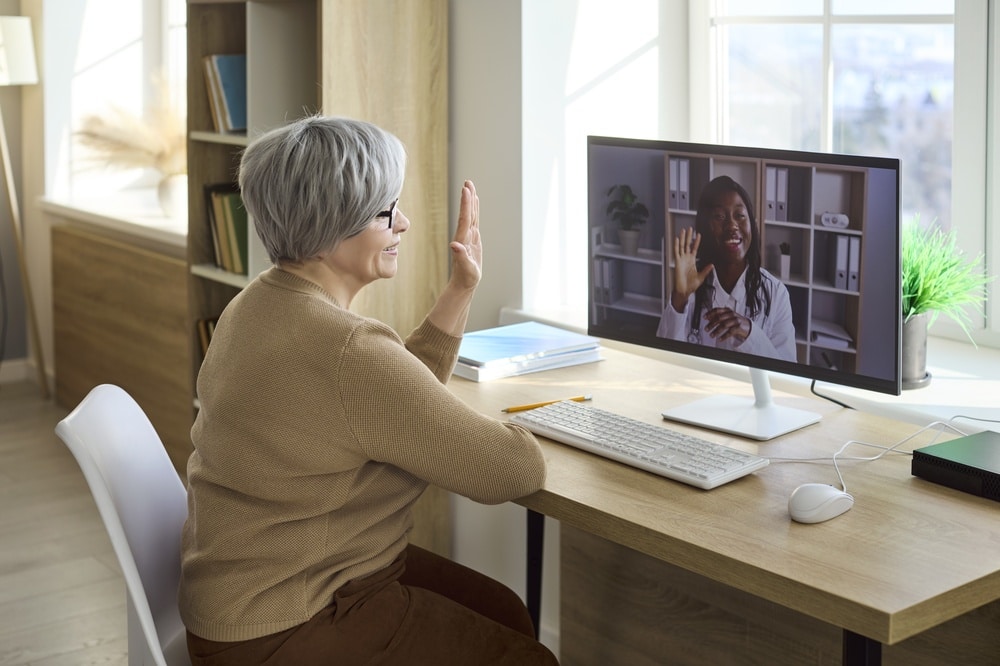
Older patients sometimes get written off here, on the assumption that anyone over seventy will find the technology baffling. In practice, most of them are already video-calling their grandchildren, and a phone consultation requires no app at all.
A Note On What “Remote” Looks Like
It varies. Some services run over phone calls, some over video, and some over a mix, depending on the consultation’s needs. A doctor reviewing a rash will probably ask for a photo. A doctor following up on hypertension might want the numbers from the home monitor and a quick chat about how the patient is feeling on the current dose.
A doctor issuing a sick note may only need to confirm a few details before sending it through.
Anyway. The point is that “remote” isn’t one thing. It’s a category that includes a wide range of interactions, most of which conclude more quickly than their in-person equivalents and produce the same paperwork at the end.
When To Pick Up The Phone Instead Of Booking A Slot
A rough working test: does this need someone to look at, listen to, or touch a part of the body? If yes, in-person. If it’s a conversation, a review, a renewal, a query about a result, a letter, or a follow-up, then remote will almost certainly handle it and finish sooner.
The recurring prescription needs to be reviewed before it’s renewed; the mole that hasn’t changed, but the patient wants someone qualified to look at a photo; the sick note that needs sending today, not next Wednesday; the travel jab query before a holiday in three weeks.
These are the times when seeing a doctor remotely, wins.