
















A pristine gel manicure offers a polished, long-lasting look, but the process of achieving it often involves a byproduct that is easily overlooked: fine filing dust. When gel is shaped or removed, a cloud of microscopic particles is released into the air. While these particles may seem like a minor nuisance, they can have significant implications for your health if not managed correctly.
The process of filing, buffing, and mechanical removal breaks down hardened chemicals and natural keratin into a fine powder. These particles can remain suspended in your immediate breathing zone or settle on various surfaces throughout the room. Understanding what this dust is made of and how it affects the body is essential for anyone who enjoys regular gel treatments, whether in a professional salon or at home.
The Composition and Source of Gel Nail Residue
Gel nail dust is more complex than standard household dust. It is a mixture of synthetic materials and biological matter created when high-speed electric files or manual buffers grind down nail enhancements. The specific makeup of this dust depends on the products used during the service.
Primary components typically include:
- Hardened Gel Fragments: Micro-particles of cured polymers that are detached during the shaping process.
- Acrylic Polymers: Structural materials found in many gel-based and enhancement products.
- Natural Keratin: Tiny fragments of the natural nail plate that are inadvertently removed during the prep or removal phases.
- Chemical Residuals: Trace amounts of other ingredients contained within the specific brand’s formulation.
When electric nail files are used, they generate a high volume of airborne debris. While heavier particles may fall quickly to the table, the finest dust can stay airborne for extended periods, making it easy to inhale or get into the eyes and nose even after the filing has stopped.
Evaluating the Health Risks of Nail Filing Dust
It is inaccurate to categorize all gel nail dust as strictly “toxic” in the traditional sense, but it is equally unwise to view it as completely benign. The primary health concern stems from chronic, repeated exposure to these airborne irritants, which can lead to various physical sensitivities.
Impacts on the Respiratory System
Inhaling fine dust particles can lead to immediate irritation of the airways. Common symptoms include sneezing, coughing, and a dry or itchy throat. For nail technicians who are exposed to these clouds multiple times a day, the risk of developing more persistent respiratory discomfort is significantly higher, especially in environments without localized air filtration.
Dermatological Sensitivities and Allergic Reactions
The ingredients in gel products, such as acrylates and methacrylates, are known sensitizers. If a gel is not fully cured, filing it can release unreacted chemicals that may cause allergic contact dermatitis. Symptoms often manifest as redness, swelling, itching, or small blisters around the cuticles and fingertips. Consistent exposure to this dust on the skin can increase the likelihood of developing a permanent allergy to nail enhancement products.
Potential for Ocular Irritation
The eyes are highly sensitive to foreign particles. Airborne nail dust can easily settle on the surface of the eye, causing watering, redness, and a gritty sensation. Over time, this can lead to chronic irritation for those working in high-volume salon settings.
The Critical Role of Dust Extraction in Manicures
The most effective way to manage the risks associated with gel nail dust is to stop it from spreading at the source. Specialized dust collectors are designed to pull particles downward and into a filtration system before they can enter the breathing zone of the technician or the client.
When selecting a dust extraction system, it is important to consider factors such as the suction power, the quality of the HEPA or carbon filters, and the noise level. A high-quality collector significantly reduces the amount of “powder” that settles on clothing, skin, and salon furniture. However, these devices should be viewed as one part of a comprehensive safety strategy that includes general room ventilation and proper hygiene practices.
Best Practices for Salon Professionals to Minimize Inhalation
Nail technicians face the highest risk of cumulative exposure due to the frequency of their work. Implementing a strict dust-management protocol is vital for long-term career health. Professionals should consider the following steps:
- Utilize Local Exhaust: Always use a professional-grade dust collector positioned directly under the filing area.
- Ensure Fresh Airflow: Rely on proper ventilation systems that exchange indoor air for fresh outdoor air rather than just circulating dust with oscillating fans.
- Wear Protective Gear: Use high-quality, well-fitted masks designed to filter out fine particulates when necessary. Standard surgical masks may not offer adequate protection against microscopic dust.
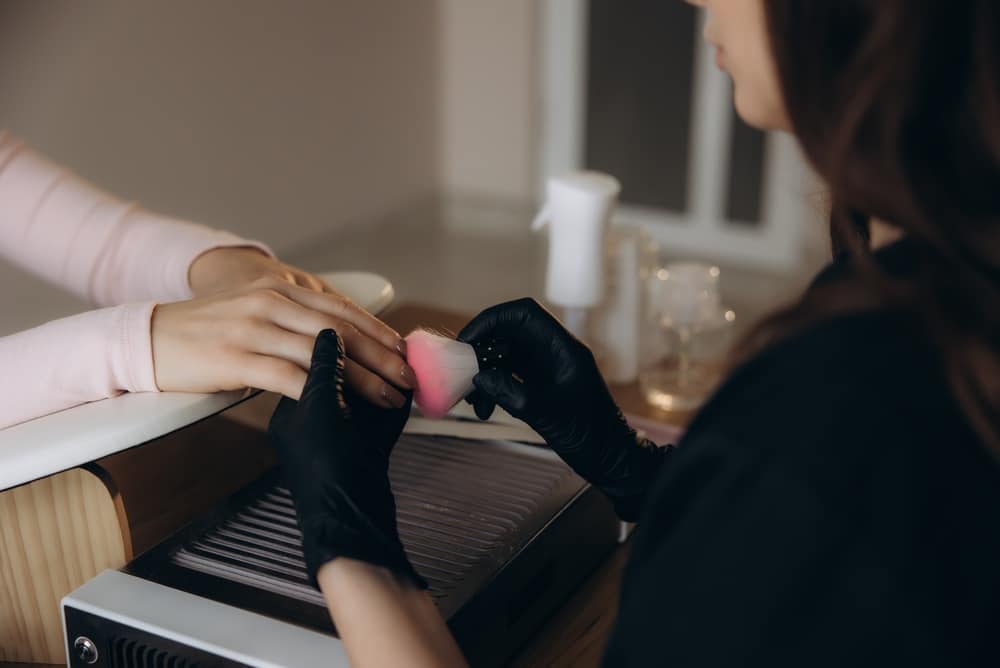
- Adopt Wet Cleaning Methods: Instead of using a dry brush to clear the table, use damp wipes or a vacuum to prevent re-distributing settled dust into the air.
- Regular Filter Maintenance: Clean or replace the filters in your extraction equipment according to the manufacturer’s timeline to ensure optimal performance.
Safety Guidelines for At-Home Gel Manicure Enthusiasts
While DIY enthusiasts perform manicures less frequently, the lack of professional-grade ventilation in many homes can lead to concentrated dust exposure. If you do your own gel nails, avoid filing in areas where dust can settle on bedding, food, or upholstery.
Ideally, set up a dedicated workspace with a hard, easy-to-clean surface and open a window to encourage airflow. Whenever possible, use soaking methods for gel removal rather than filing through every layer of product. Most importantly, avoid aggressive filing on the natural nail plate, as this can cause thinning and long-term damage. If you notice any persistent skin or respiratory issues after a manicure, it is best to discontinue use and consult a medical professional.
Deconstructing Common Myths Regarding Nail Dust
Several misconceptions about nail dust can lead to a false sense of security. One prevalent myth is that cured gel dust is safe because the chemical reaction is complete. While curing does stabilize the product, the resulting physical particles are still irritants that do not belong in the lungs or eyes.
Another common belief is that an open window provides enough protection. While fresh air is beneficial, it rarely provides the targeted suction needed to capture heavy dust at the source. Finally, just because a workstation “looks” clean does not mean it is safe; the smallest and most irritating particles are often invisible to the naked eye. Recognizing these nuances is the first step toward a safer beauty routine.
Summary of Key Takeaways
While gel nail dust is a standard part of the manicure process, it should be managed with care. Repeated inhalation or skin contact with filing debris can lead to respiratory irritation, eye discomfort, and allergic reactions. By using effective dust collection systems, maintaining proper ventilation, and following safe removal techniques, both professionals and home users can minimize their exposure. Prioritizing these safety measures ensures that you can enjoy the aesthetic benefits of gel nails without compromising your long-term physical well-being.