

















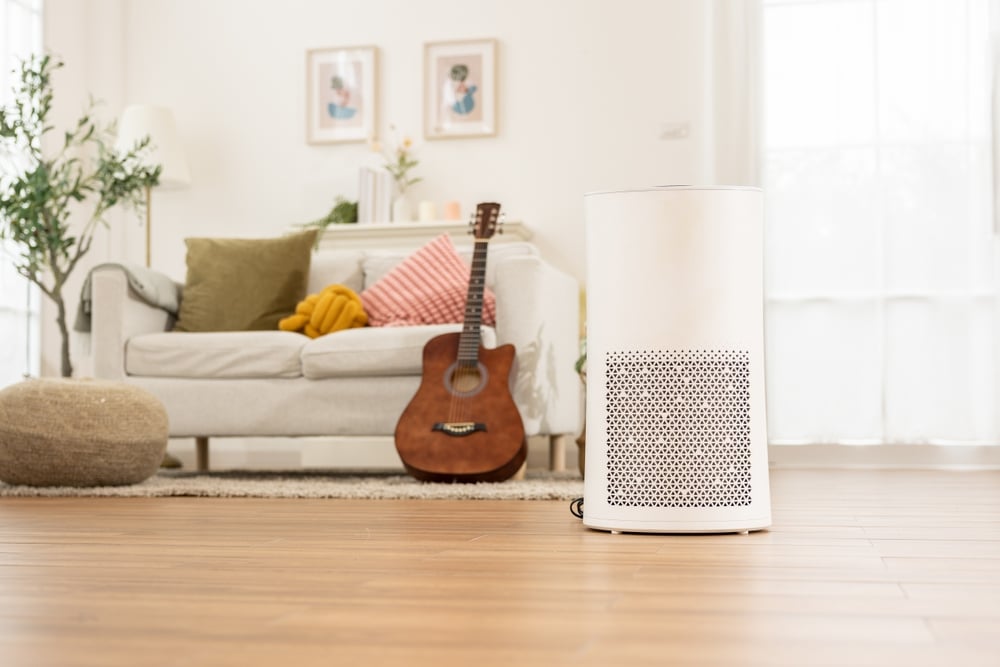
The majority of our time is spent inside, where air contaminants often accumulate unnoticed. These pollutants stem from various daily habits, including cooking, cleaning, and maintaining furnishings, as well as biological sources like pet dander and mold. Because these sources are diverse, a single device—such as a portable air purifier—is rarely a complete solution. Improving indoor air quality (IAQ) requires a multi-layered approach. According to guidelines from the U.S. Environmental Protection Agency (EPA), the most effective strategy involves three core pillars: controlling the source of pollution, ensuring proper ventilation, and using air filtration as a supplemental measure.
Identifying the Main Sources of Indoor Air Contamination
Indoor pollutants generally fall into three categories: particulate matter, biological contaminants, and chemical gases. Particulates and smoke often originate from combustion, such as cooking on a stove, lighting candles, or using fireplaces. Tobacco smoke and construction dust also contribute significantly. It is important to note that fine particles can remain suspended in the air for long periods and travel between rooms, making them easily inhalable even if they are invisible to the naked eye.
Biological pollutants include mold spores, dust mites, pollen, and pet dander. These are frequently driven by excess moisture. Managing humidity and maintaining a clean environment are the primary defenses against these biological triggers. When moisture is left unchecked, it can lead to mold growth, which requires more intensive remediation than simple cleaning.
Gases and volatile organic compounds (VOCs) are released by household products like paints, adhesives, and cleaning solvents. Additionally, combustion appliances like water heaters and furnaces can release dangerous gases. Carbon monoxide (CO) is the most critical hazard in this category; because it is colorless and odorless, it requires dedicated detection alarms. Standard particle filters are ineffective against these chemical gases, highlighting the need for specific solutions for different types of pollution.
Prioritizing Source Control for Cleaner Air
The most efficient way to improve the air you breathe is to eliminate or reduce the pollutant at its origin. This method, known as source control, prevents contaminants from entering the air in the first place. Simple yet effective habits include using exhaust fans in the kitchen and bathroom, storing chemicals in sealed containers or outdoor sheds, and prohibiting indoor smoking. Regular maintenance of gas-powered appliances also prevents the buildup of harmful combustion byproducts.
For example, if a home suffers from persistent kitchen odors or window condensation, the solution is often found in mechanical fixes rather than air cleaning devices. Consistent use of a range hood and repairing the underlying cause of moisture will resolve the issue more effectively than a filter. In cases involving high-risk materials like asbestos, lead, or heavy mold infestations, it is essential to consult a qualified professional rather than attempting a DIY fix.
Safe and Effective Ventilation Techniques
Ventilation helps lower the concentration of indoor pollutants by diluting them with fresh air from outside. This can be achieved naturally by opening windows or mechanically through HVAC systems and exhaust fans. However, ventilation is not always appropriate. If the outdoor air is compromised by wildfire smoke, high traffic pollution, or high pollen counts, bringing that air inside can actually degrade your indoor environment.
Homeowners should check local air quality indices before increasing outdoor air intake. While modern homes are often sealed tightly for energy efficiency, they still require a balanced exchange of air to prevent the buildup of stagnant pollutants. Ensuring that mechanical systems are serviced according to the manufacturer’s guidelines ensures they function as intended without introducing new issues.
How to Use Air Filtration as a Secondary Tool
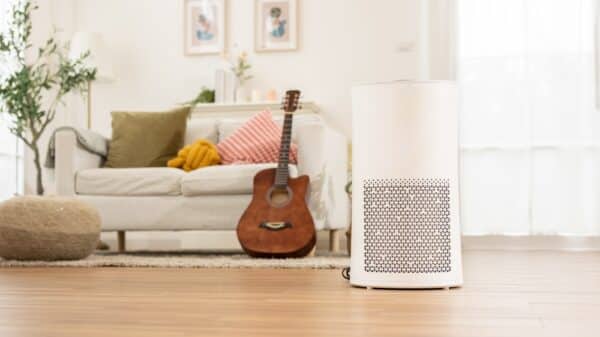
Portable air cleaners and high-efficiency HVAC filters can be helpful, but they should only support source control and ventilation. When selecting or using filtration, consider the following technical factors:
- Filter Ratings: Ensure the filter is rated to capture the specific size of particles you are targeting, such as HEPA for fine dust and allergens.
- Gas Phase Filtration: Some devices use activated carbon to absorb odors and chemicals, though their effectiveness depends on the volume of carbon used.
- Room Capacity: A filter must be properly sized for the square footage of the room to ensure adequate air changes per hour.
- Regular Upkeep: Filters lose their efficiency as they become clogged; adhering to a strict replacement schedule is vital for performance.
It is also important to note that installing a high-resistance filter in an older HVAC system can restrict airflow and damage the equipment. Filtration is designed to capture airborne particles, not to remove dust that has already settled on furniture or to solve moisture-related mold problems.
Tailoring Solutions to Specific Pollutants
A “one size fits all” approach rarely works for air quality. Matching the intervention to the specific problem ensures better results:
- Dampness and Mold: Focus on moisture control, fixing leaks, and reducing humidity.
- Cooking Emissions: Utilize high-performance range hoods and cover pots to minimize steam and grease particles.
- Seasonal Allergies or Outdoor Smoke: Keep windows closed and utilize high-efficiency particle filtration.
- Pet and Dust Allergens: Combine frequent vacuuming with HEPA filtration and regular laundering of textiles.
- Chemical Smells: Isolate the source (such as new furniture or paint) and increase ventilation once outdoor conditions are safe.
- Carbon Monoxide Concerns: Never rely on a filter; install CO detectors and evacuate immediately if an alarm sounds.
Monitoring and Assessing Your Air Quality Progress
Determining whether your efforts are working requires observation. Keeping a simple log of when odors are strongest or when respiratory symptoms flare up can help you identify specific triggers. While consumer-grade air quality monitors can provide useful data on trends and spikes, they should not be viewed as medical-grade diagnostic tools. If a problem persists despite your efforts, or if the building has structural issues, a professional indoor environmental assessment may be necessary to identify hidden contaminants.
A Practical Checklist for Better Household Air
A consistent routine can help maintain a healthy indoor environment. Start by inspecting the home for obvious signs of moisture or poorly maintained appliances. Prioritize the removal of known pollutants, as source control remains the most powerful tool. Ventilate with outdoor air only when it is clean and the weather permits. Ensure all HVAC components and portable cleaners are maintained with fresh filters, and keep surfaces clean to prevent settled dust from becoming airborne again. If a problem remains, reassess the source rather than simply adding more filtration devices.
A Comprehensive Approach to Healthier Indoor Environments
Achieving high indoor air quality is a process of cumulative improvements rather than a single purchase. By integrating source control, strategic ventilation, and supplemental filtration, you create a more resilient environment. The most effective strategy is to start with the most impactful, low-cost actions: manage moisture, maintain your appliances, and be mindful of the products you bring into your home. Addressing one pollutant source at a time allows you to see what works and build a healthier space over the long term.