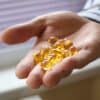




















Creatine is often considered a helpful supplement for adults engaged in consistent resistance training, but its role for those on GLP-1 medications requires careful consideration. Currently, no randomized clinical trials have confirmed that creatine can stop the muscle loss sometimes associated with semaglutide or tirzepatide treatments. Before adding any supplement to your regimen, it is vital to consult with your healthcare provider to ensure it aligns with your specific health status and medication schedule.
In the hierarchy of muscle preservation, creatine is an elective addition. The most critical factors remain proper nutrition, managing medication side effects, and following a progressive strength training program. This priority list applies regardless of whether you are prescribed Wegovy, Ozempic, Zepbound, Mounjaro, or other GLP-1-based therapies.
Essential Facts About Using Creatine with GLP-1 Therapy
While creatine may assist with performance during high-intensity strength exercises, there is no clinical proof that it prevents muscle loss caused by GLP-1 medications.
Prioritize resistance exercise and a nutrient-dense diet as your primary strategies, adding supplements only with clinical approval.
Medical consultation is necessary for individuals with kidney issues, those who are pregnant, or those experiencing severe gastrointestinal side effects like persistent vomiting or dehydration.
Programs like the TRX GLP-1 Strength Program offer structured, scalable resistance routines designed for beginners, though they do not guarantee the total preservation of muscle mass.
Evaluating the Safety of Combining Creatine and GLP-1 Drugs
Many adults can safely use creatine alongside GLP-1 medications, but this should be confirmed on a case-by-case basis with a doctor or pharmacist. Current labels for medications like tirzepatide and semaglutide do not list creatine as a known interaction, but dedicated trials studying the combination have not yet been conducted.
Factors such as your current kidney function, hydration levels, digestive symptoms, and existing medication list play a role in this decision. Always disclose all supplements, including dosages and specific formulations, to your medical team. Never alter your prescription medication timing to accommodate a supplement.
Current Clinical Evidence and Research Gaps
Direct scientific data regarding creatine use specifically during GLP-1 treatment is currently unavailable. Research published in 2026 suggests that while creatine is a logical candidate for supporting muscle function, its effectiveness during pharmacological weight loss remains a hypothesis that has not been tested in randomized controlled trials.
General research from the NIH Office of Dietary Supplements indicates that creatine provides energy for short, intense activities and can improve strength and power. While this makes it a useful tool for athletes, its specific impact on the muscle-loss profiles of GLP-1 users is still being studied.
Comparing Semaglutide and Tirzepatide Contexts
The lack of specific evidence applies to both semaglutide and tirzepatide users. Neither medication has been part of a published study looking at the safety or efficacy of concurrent creatine supplementation.
Your personal symptoms and prescription should guide your caution. FDA guidelines for medications like Ozempic highlight potential side effects such as delayed stomach emptying and gastrointestinal distress, which could influence how oral supplements are absorbed. Similarly, Zepbound documentation warns that dehydration from digestive reactions can increase the risk of acute kidney injury, making hydration and professional guidance essential.
The Importance of Protecting Muscle During Weight Loss
Preserving muscle mass is a major concern during GLP-1 therapy because weight loss often includes a mix of fat and lean tissue. A 2026 BMJ analysis noted that while lean mass reductions were observed with semaglutide and tirzepatide, the long-term functional impact of this loss is not yet fully understood.
Because the scale cannot differentiate between fat and muscle, it is useful to track functional metrics. Monitoring your strength, balance, and ability to perform daily tasks provides a clearer picture of your health than weight alone. If you notice a sudden drop in strength or extreme fatigue, consult your doctor rather than relying on supplements to fix the issue.
Distinguishing Between Lean Mass and Skeletal Muscle
It is important to remember that “lean mass” is a broad term. It encompasses muscle, but also includes water, bone minerals, organs, and glycogen. Creatine can complicate body composition readings because it often causes the body to retain more water within the muscles. This shift might increase your weight or lean mass measurements on a scale without actually indicating a gain in muscle tissue or body fat.
The Primary Role of Resistance Training
The most effective ways to maintain muscle while on GLP-1s are consistent resistance training and adequate nutritional intake. Major health organizations advise focusing on strength training, body composition assessments, and managing gastrointestinal side effects as the first line of defense.
Creatine should be viewed as a secondary support tool that helps provide the energy needed for hard training sessions. It cannot replace the stimulus of exercise or the need for sufficient calories. No program can guarantee zero lean-mass loss, as individual responses to medication and training vary.
Utilizing Lighter Nutritional Options
For those struggling with a lack of appetite or thick protein shakes, lighter options may be more tolerable. Products like clear whey isolate combined with electrolytes can offer a more manageable way to meet protein and hydration needs in a single drink. These should be treated as conveniences rather than medical treatments and should be reviewed by a dietitian or doctor to ensure they meet your specific needs.
Potential Benefits and Limitations of Supplementation
Creatine functions by helping muscles regenerate ATP, the primary energy source for short bursts of intense activity like squatting or pressing. A 2024 meta-analysis showed that creatine combined with weight training increased lean body mass in adults under 50 compared to training alone. However, these participants were not using GLP-1 medications, so the results mainly highlight creatine’s role in general fitness rather than its efficacy in treating medication-induced muscle loss.
Creatine as a Secondary Support Tool
Creatine is not a primary treatment for muscle loss. It cannot make up for a lack of protein, missed workouts, or poor caloric intake. While creatine supports short-term energy, dietary protein provides the building blocks (amino acids) required for tissue repair. Understanding this distinction is key to a balanced approach to supplementation.
Safety Considerations and Medical Consultation
Individuals with a history of kidney disease or abnormal lab results must consult their healthcare team before using creatine. Furthermore, if you are experiencing active nausea, diarrhea, or dehydration, or if you are pregnant, professional medical advice is required. Medical stabilization should always come before starting a new supplement.
Understanding Creatinine Lab Results
Creatine use can sometimes lead to a slight increase in serum creatinine levels during blood tests, which might be mistaken for declining kidney function. Research from 2025 indicates that while serum levels may rise, it does not necessarily mean the glomerular filtration rate (GFR) has decreased. Always inform your doctor if you are taking creatine before undergoing kidney function tests to ensure accurate interpretation of your results.
Managing Hydration and Digestive Health
GLP-1 medications can cause gastrointestinal issues that lead to dehydration. Adding new supplements during a period of digestive upset can make it difficult to determine the cause of your symptoms. If your doctor approves creatine, introduce it gradually. Tracking your intake, timing, and any symptoms can provide your medical team with valuable data. Avoid following generic water intake targets, as fluid requirements are highly individual.
Guidelines for a Practical Creatine Regimen
Creatine monohydrate is the most researched form of the supplement. A standard maintenance dose is typically 3 to 5 grams daily. While some people choose a “loading phase” with higher doses, this is not required and may cause digestive discomfort, which is often undesirable for those already dealing with GLP-1 side effects.
Prioritize your doctor’s advice over general research ranges, especially if you are on oral medications or fluid restrictions. Keep your routine simple and consistent to make it easier to monitor how your body responds. Watch for changes in digestion or energy levels and report them to your care provider.
The Role of Combined Fiber and Creatine Formulas
Some supplements combine creatine with prebiotic fiber. This can be a convenient option for those who already intend to take both, but it should only be used if both ingredients are approved by a clinician. Rapidly increasing fiber intake can lead to bloating or gas, so it is best to introduce these components slowly and one at a time to monitor tolerance.
Integrating Supplements with Strength Training
A foundation of protein intake and resistance training is essential. Work with a professional to determine a protein goal that fits your kidney health and caloric needs. For exercise, focus on scalable movements like supported squats, rows, and chest presses. Using tools like suspension trainers allows you to adjust the difficulty by changing your body angle, making it easier to maintain proper form.
Exercising with Low Energy Levels
On days when your energy is lower, you can modify your training by reducing the resistance or shortening the session. The TRX GLP-1 Strength Program provides short, low-impact sessions that can be adjusted to your daily capacity. It is important to listen to your body; if you feel dizzy or excessively weak, skip the workout and contact your doctor. Consistency is about showing up for the body you have that day, not forcing intensity.
Monitoring Progress Beyond the Scale
Instead of focusing solely on weight, track your performance. Note improvements in how many repetitions you can perform, your walking speed, or how well you handle daily tasks. Remember that early weight changes when starting creatine are often just shifts in water retention. Long-term trends in function and strength are better indicators of whether your plan is working.
Common Questions Regarding Creatine and GLP-1s
Because clinical data is still evolving, the following answers provide a framework for discussions with your medical provider.
Are there known interactions with Ozempic or Wegovy?
While no specific interaction is documented on the semaglutide label, the combination has not been formally studied. Given that semaglutide can affect digestion, you should discuss the timing of any oral supplements with a healthcare professional.
Is it safe to use creatine with Zepbound or Mounjaro?
It may be safe for some, but specific clinical trials are lacking. Because tirzepatide can cause gastrointestinal side effects that increase dehydration risk, those with underlying health conditions or complex medication needs should seek individualized medical advice.
Will creatine interfere with weight loss goals?
There is no evidence that creatine prevents fat loss. It may cause a slight increase in scale weight due to water being drawn into the muscle cells, but this is not fat gain. Focus on long-term body composition trends rather than daily scale fluctuations.
Is a creatine-plus-fiber supplement a good choice?
This depends on your digestive stability. A combined product is a convenience, but it introduces two variables simultaneously. If you are prone to bloating, it may be better to start with one ingredient at a time to see how you react.
Summary: Prioritizing Your Health Foundation
Creatine can be a helpful addition to a fitness routine for some people on GLP-1 medications, but it is not a proven shield against muscle loss. The most effective approach is to first secure medical clearance, then focus on managing side effects, meeting nutritional needs, and performing consistent resistance training. Supplements should support a solid foundation of healthy habits and clinical care, rather than serving as a replacement for them.