



















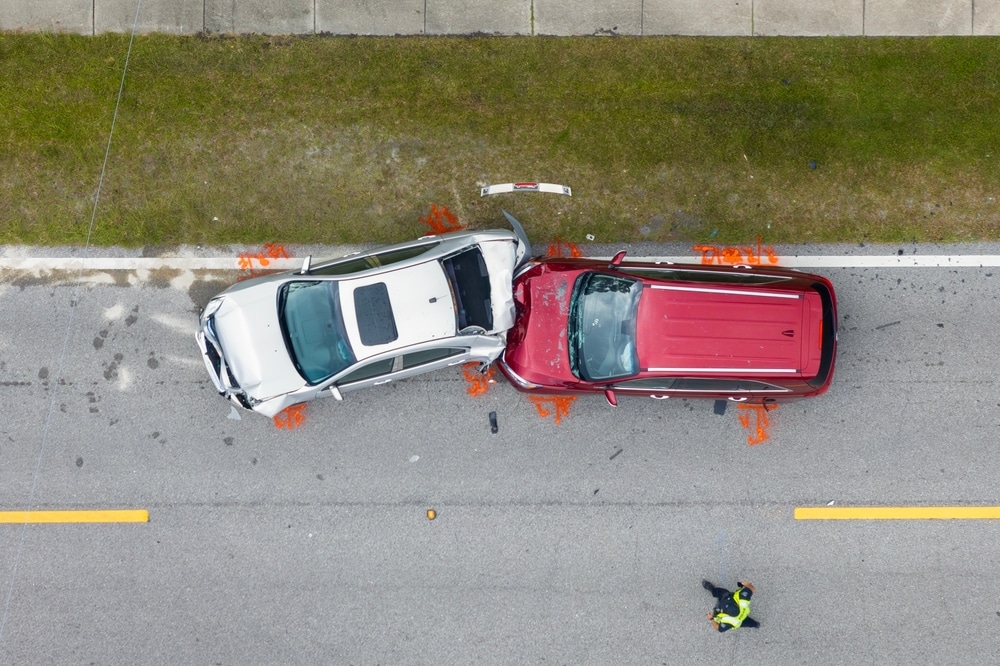
Automobile collisions often leave individuals disoriented and overwhelmed before they can fully process what has happened. According to data from the Las Vegas Metropolitan Police Department, local authorities recorded 18,109 traffic collisions within their jurisdiction, resulting in 163 traffic fatalities. Fatal collisions experienced an uptick, rising 7.5% from 147 incidents in 2024 to 158 in 2025, while open hit-and-run fatal cases climbed from 6 to 10. These figures highlight how quickly a routine trip can escalate into an emergency involving injuries, vehicle damage, complex insurance inquiries, and physical recovery.
In the immediate aftermath of a crash, knowing what steps to take can reduce uncertainty. Prioritizing medical evaluation, moving to a secure area when feasible, documenting the environment, sharing necessary details, and filing formal reports are critical actions that carry weight later on. Consulting with a qualified motor vehicle collision attorney can also help individuals understand their legal options if another motorist’s negligence caused their harm. Being prepared with the right action plan helps transform a chaotic situation into a manageable process.
Shifting to a Secure Area
If drivable, vehicles should be maneuvered out of active traffic lanes without leaving the accident site entirely. Engaging hazard lights helps warn oncoming motorists, whereas remaining inside a disabled automobile near fast-moving traffic introduces severe secondary hazards.
When a car is entirely disabled and cannot be moved, occupants are generally safer remaining buckled inside their seats if conditions permit. A driver should dial 911 immediately to report the precise location, the count of involved vehicles, any visible trauma, and immediate roadway hazards. Anyone seeking legal counsel regarding a personal injury claim can reach out to an attorney only after obtaining emergency medical treatment and moving completely away from danger zones.
Assessing Physical Trauma and Seeking Treatment
Drivers should check on their passengers and other parties involved in the collision, taking care never to move anyone suffering from potential spinal or severe physical trauma. Emergency dispatchers can offer guidance while police, paramedics, or firefighters make their way to the scene.
Certain injuries may not manifest symptoms until hours or even days after the event. Seeking a professional medical examination establishes a formal paper trail linking symptoms directly to the incident. Postponing medical care makes it significantly harder to prove that later health complaints stemmed from the crash. An experienced attorney can thoroughly examine medical records, insurance correspondence, and accident evidence prior to an injured party agreeing to any financial settlement or providing detailed statements.
Exchanging Essential Information
Motorists are required to share full names, phone numbers, home addresses, driver’s license numbers, vehicle registration details, and insurance carrier data. This information exchange should remain strictly factual and concise.
Drivers must take care to avoid the following:
- Accepting blame or admitting fault
- Blaming or accusing other motorists
- Making speculative guesses regarding vehicle speed or travel distances
Statements uttered during the opening minutes after a crash often leave out crucial facts because psychological shock severely impairs concentration and memory recall.
If any bystanders or witnesses pull over, drivers should request their names and contact information. Independent witness statements can prove invaluable if opposing drivers offer conflicting accounts of how the collision unfolded.
Thoroughly Documenting the Crash Site
Photographs should accurately capture vehicle positioning, physical damage, license plates, pavement markings, operational traffic signals, weather conditions, and any adjacent property damage. Wide-angle shots establish the broader setting, while close-up images document specific structural damage.
Drivers should note the approximate time of day, street names, direction of travel, and the events that immediately preceded the impact. Personal notes should document physical symptoms, visible wounds, and statements uttered by other drivers.
Law enforcement officers typically compile data at the scene, but motorists should still actively request the official police report number. This tracking number simplifies locating the finalized report and helps organize subsequent communications with insurance providers.
Contacting Insurance Providers
Motorists should report the traffic collision promptly through their insurance company’s designated claims procedure. The initial notification should strictly cover:
- The exact date, time, and location of the crash
- The identities of all participating parties
- Confirmation of whether anyone sought medical attention
An insurance adjuster might ask for a recorded statement or a signed medical release authorization. Before granting permission, the injured person should fully understand:
- The exact scope of information requested
- Whether the document grants unrestricted access to unrelated medical history
Drivers should retain digital copies of emails, correspondence letters, repair estimates, medical bills, photographs, and claim reference numbers. Maintaining a neat paper trail prevents confusion when multiple corporate representatives evaluate vehicle repairs, health treatments, or lost wages.
Common Pitfalls to Avoid After an Incident
Certain actions can jeopardize an injury claim and should be strictly avoided:
- Discussing the Collision Online: Motorists must refrain from publishing photographs, personal opinions, or commentary about the accident on digital platforms or social media. Insurance adjusters and opposing legal teams actively monitor public feeds to challenge injury claims or minimize vehicle damage assessments.
- Accepting Premature Settlements: Injured parties should avoid signing liability releases before physicians fully diagnose the total cost of recovery. Settling too early can prematurely close a claim before long-term health complications or future medical requirements are identified.
- Failing to Follow Treatment Plans: Skipped doctor appointments and extended gaps in medical therapy create doubt regarding the true severity of an injury. Adhering strictly to prescribed medical advice and attending every appointment preserves an undeniable record of physical recovery.
Monitoring Financial and Physical Impacts
An organized document file should hold all medical bills, prescription receipts, car repair estimates, rental vehicle expenses, wage statements, and logs of missed work hours. Each record should clearly display the date and a brief description explaining its relation to the collision.
The injured individual should document daily pain levels, physical restrictions, sleep disruptions, and lifestyle adjustments. These personal logs provide medical professionals and legal advocates with an accurate portrait of how the trauma impacts daily living.
Recognizing When to Seek Professional Legal Support
Legal guidance becomes particularly valuable when liability is contested, multiple automobiles are involved, the at-fault driver lacks insurance coverage, or the insurance provider delays claim processing. Severe injuries and long-term functional limitations also demand professional evaluation.
An attorney can independently investigate physical evidence, manage insurer negotiations, evaluate available policy limits, and calculate financial losses backed by solid documentation. This structured approach empowers injured parties to make informed decisions rooted in objective facts rather than pressure at the crash scene.
Following a motor vehicle accident, personal safety and immediate medical intervention always take precedence over arguments regarding liability. Affected individuals should relocate away from traffic hazards, contact emergency services, exchange necessary contact details, photograph the scene, file official reports, and preserve every document associated with the event.
Prompt legal consultation is advisable whenever liability, medical recovery, insurance coverage, or financial damages remain contested. The most productive next steps involve securing the police report number, organizing medical paperwork, reviewing photographs, and gathering insurer communications before entertaining any talk of settlement terms.