




















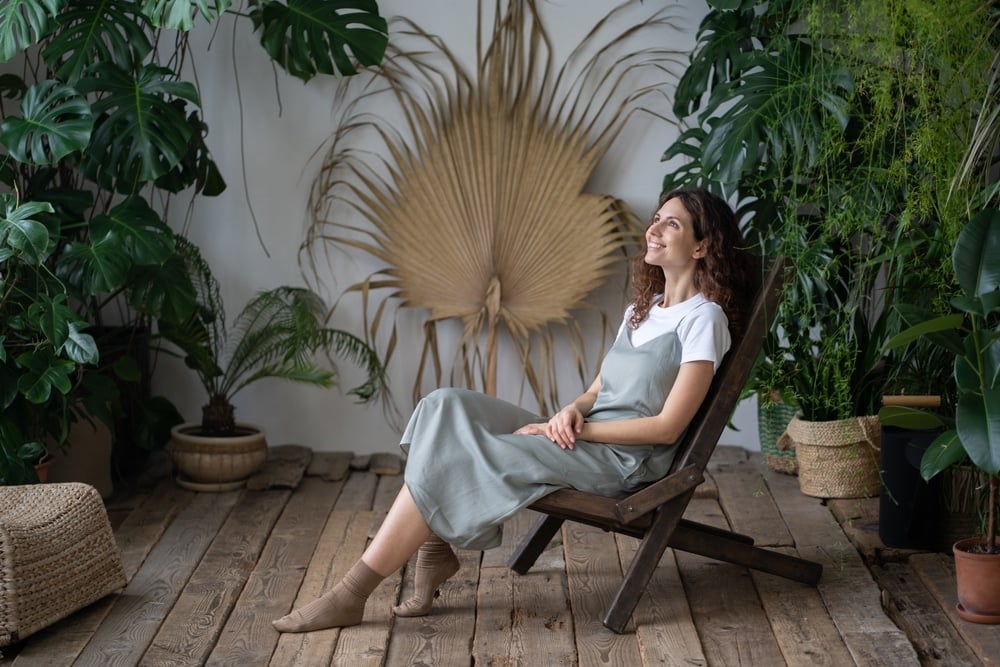
Your living space serves as more than just a place to rest; it is a vital component of your mental and physical health. After navigating the demands of professional life and family commitments, returning to a sanctuary that promotes rest is essential for recovery. Transforming a house into a restorative haven doesn’t necessitate expensive renovations. Instead, focus on intentional adjustments that improve the atmosphere and functionality of your surroundings.
Maximizing Natural Light to Boost Daily Energy
Access to sunlight is fundamentally linked to our circadian rhythms and overall mood. Rooms bathed in natural light often feel more expansive and serene, whereas dimly lit areas can contribute to feelings of lethargy. To optimize brightness, consider using sheer window treatments, applying reflective light-colored paint, and placing mirrors opposite windows to bounce light deeper into the home.
Modern architectural choices can also help bridge the gap between the interior and the outdoors. Features such as large-format glass doors or expanded window frames foster a sense of openness in high-traffic areas like the kitchen or living room. This seamless connection to the outside world helps even smaller rooms feel more airy and less restrictive.
Investing in Functional and Supportive Furnishings
The physical comfort of your home is largely dictated by the pieces you use daily. While visual appeal is important, the ergonomic quality of your seating and the layout of your rooms should be the priority. Overly firm sofas or dining chairs that offer little support can lead to physical tension and restlessness.
When arranging a room, ensure there is plenty of “breathing room” between pieces; an overcrowded floor plan can make a home feel cluttered rather than relaxing. Opt for soft, tactile fabrics and layouts that encourage easy movement. Choosing furniture that fits the scale of the room ensures that the environment remains functional without feeling cramped.
Designing a Restorative Atmosphere with Soft Tones
The colors surrounding us have a direct impact on our psychological state. While vibrant pigments can be stimulating, muted tones are generally more effective at lowering stress levels. Neutral palettes—including shades of oatmeal, soft grey, sage green, and cream—provide a timeless backdrop that encourages a quiet mind.
You can add depth and character to these spaces without disrupting the peace by introducing varied textures. Think woven rugs, chunky knit throws, and natural wood grains, which provide sensory warmth and visual interest. These tactile elements prevent neutral rooms from feeling cold, making them feel more personal and inviting.
Reducing Mental Load by Minimizing Physical Clutter
A disorganized environment often mirrors a distracted mind. When surfaces are covered in unnecessary items, it becomes difficult for the brain to switch off and relax. Establishing a sense of order is one of the most effective ways to improve home comfort.
Utilize discrete storage solutions like floating shelves, decorative baskets, or multi-functional furniture to keep daily essentials tucked away. Regularly auditing your belongings allows you to keep only what is useful or meaningful, creating a streamlined environment that is easier to clean and navigate. A minimalist approach doesn’t mean having nothing; it means having exactly what you need to feel at ease.
Enhancing Ambience with Layered Interior Lighting
Lighting serves as a tool for setting the tone of your home throughout the day. Standard overhead lighting can often be too clinical or bright for late-day relaxation. A more effective approach is layering light sources to create a soft, warm glow.
Incorporating floor lamps and bedside task lights allows you to control the intensity of the environment. Dimmable switches are particularly valuable for transitioning from daytime productivity to evening rest. Adding accent lighting, such as warm-toned bulbs or candles, can introduce a flickering, cozy element that promotes a sense of safety and calm in bedrooms and lounges.
Integrating Biophilic Elements for a Grounded Space
Incorporating organic elements into your home can significantly soften a modern interior. Houseplants do more than just provide a pop of color; they introduce a living, breathing element that makes a space feel more vibrant. Even a few low-maintenance plants can make a room feel more fresh and welcoming.
Beyond greenery, the use of raw materials like stone, timber, and linen can ground a room’s design. These natural textures often create a sense of balance and authenticity that works well across various design styles, helping to foster a deeper connection to the environment.
Personalizing Your Home for Long-Term Wellbeing
Ultimately, a comfortable home is one that aligns with your unique needs and lifestyle. Whether you thrive in a minimalist setting or feel most at peace in a space filled with personal mementos and books, the goal is to create a sanctuary that supports your daily routine.
By thoughtfully addressing light, comfort, organization, and nature, you can cultivate a residence that not only looks beautiful but actively contributes to a more relaxed and fulfilling life. Prioritizing these small changes allows your home to become a true retreat from the outside world.
Final Thoughts on Creating a Relaxing Living Environment
Achieving a peaceful home environment is a gradual process of refining your surroundings to match your personal sense of comfort. By focusing on maximizing natural light, choosing supportive furniture, and reducing visual clutter, you can significantly lower daily stress levels. When your home is designed to be functional and calming, it becomes a powerful tool for maintaining your overall health and happiness.